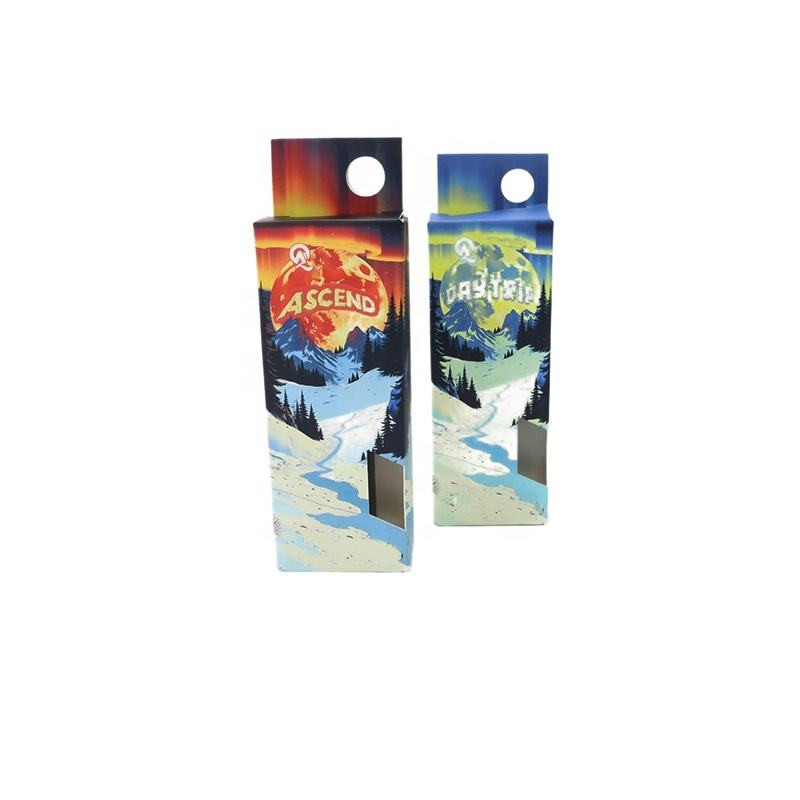
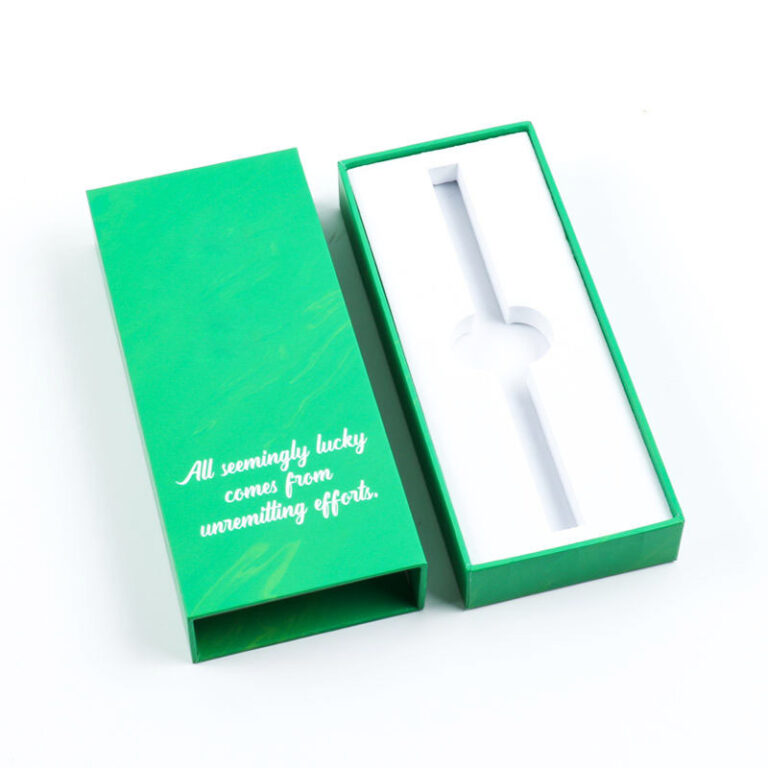
Brands keep adding foil, gradients, holographic effects, oversized logos, spot UV, custom typography, illustrated characters, metallic substrates, elaborate opening mechanisms, and enough visual noise to make a 1 mL cartridge look like it arrived from another planet—while sometimes failing to answer far more basic questions: Is the cartridge protected? Can the buyer understand the product quickly? Does the pack work in retail? Can required labeling actually fit?
Packaging isn’t merely decoration wrapped around a vape cartridge. It is simultaneously a protection system, information surface, retail object, brand identifier and, depending on the market, part of a regulated cannabis product.
The box has a job.
And if that job isn’t defined before artwork begins, spectacular graphics will not rescue the result.
What Perfect Vape Packaging Actually Has to Accomplish
The best vape packaging is not necessarily the box with the most finishes.
It is the package that makes several competing requirements coexist without one destroying another.
For cannabis vape cartridges, that commonly means:
holding the cartridge securely;
protecting the mouthpiece and glass or reservoir area;
minimizing movement during transportation;
presenting mandatory information legibly;
supporting tamper-evident or child-resistant packaging strategies where required;
fitting normal retail shelving and storage systems;
differentiating the brand without looking juvenile;
allowing production at commercially realistic quantities;
and giving procurement teams something they can repeatedly source without endless variation between manufacturing runs.
The last point is routinely underestimated.
A designer can create an extraordinary prototype. Manufacturing 50,000 copies of that prototype with stable color, repeatable inserts, reasonable assembly time and acceptable reject rates is a different problem entirely.
This is why I don’t buy the idea that the “best vape packaging design” begins with aesthetics.
It begins with constraints.
Start With the Cartridge, Not the Box
Before drawing the dieline, define the product going inside it.
Sounds obvious.
Yet packaging projects frequently jump directly into mockups before the team has frozen the cartridge configuration, mouthpiece shape, battery pairing, insert orientation, accessory requirements or final labeling hierarchy, which is exactly how tolerances get patched later with oversized cavities and awkward filler material.
For vape cartridge packaging, collect the real physical product whenever possible.
Then confirm:
overall cartridge dimensions;
cartridge diameter or profile;
mouthpiece shape;
tank construction;
whether the cartridge ships independently or with a battery;
orientation requirements;
expected retail configuration;
applicable labeling information;
required compliance components.
A box engineered around the actual cartridge can be compact.
A box engineered around assumptions becomes insurance against uncertainty—and customers end up paying for that uncertainty in extra paperboard, freight volume and shelf space.
Compliance Comes Before Creative Freedom
Here is the uncomfortable part: cannabis packaging is not one unified U.S. regulatory system.
Rules vary by jurisdiction.
California illustrates the point particularly well. The state’s Department of Cannabis Control says cannabis goods sold at retail must meet packaging requirements that can include tamper evidence, child resistance and resealability depending on product type. California specifically identifies vape cartridges among products that can use single-use child-resistant packaging, with corresponding labeling requirements.
That makes “make it compliant” a dangerously vague design brief.
Compliant where?
For which product?
At what packaging layer?
Those questions need answers before the packaging supplier locks tooling.
The California DCC also warns against cannabis packaging that imitates products typically marketed to people under 21.
That should influence creative direction.
Candy-like graphics, cartoon characters, toy-style structural concepts and designs borrowing too heavily from youth-oriented consumer products may create more than a branding problem.
Do Not Confuse Cannabis Vape Rules With Nicotine Vape Rules
This distinction matters.
FDA’s Center for Tobacco Products regulates tobacco-derived products under a different federal framework from state-regulated cannabis products. But its enforcement record still provides a useful signal about how seriously regulators view packaging and youth appeal.
On June 13, 2024, FDA issued warning letters concerning unauthorized e-liquids packaged to resemble prescription drug bottles. The agency specifically criticized the packaging concept rather than treating appearance as irrelevant decoration.
Earlier, on May 1, 2024, FDA warned 14 online retailers over unauthorized e-cigarettes, including products from brands the agency described as popular among youth.
And the enforcement wasn’t merely theoretical.
On June 27, 2024, FDA and U.S. Customs and Border Protection reported seizing 53,700 unauthorized e-cigarettes valued at more than $1.08 million at the Chicago port of entry.
Again: these are tobacco/e-cigarette enforcement examples, not a substitute for cannabis regulations.
But they demonstrate something packaging teams should understand.
Regulators notice presentation.
Vape Packaging Design Has a Youth-Appeal Problem
Numbers add context.
According to the 2024 National Youth Tobacco Survey, approximately 1.63 million U.S. middle and high school students reported current e-cigarette use in 2024, down from 2.13 million in 2023. Among high school students, reported current e-cigarette use fell from 10.0% to 7.8% over the same period.
That is a substantial decline.
It is not a reason for packaging teams to become casual.
If anything, continued government attention means mature cannabis brands should think carefully about visual language that could plausibly be interpreted as child-oriented or youth-oriented.
Bright color is not automatically the problem.
Illustration is not automatically the problem.
The issue is the total visual system: fonts, mascots, product naming, imagery, flavor cues, shape, graphics and the commercial context in which they appear.
What does the packaging resemble when viewed from five feet away?
That question is more useful than asking whether a particular shade of purple is “allowed.”
Choosing the Right Structure for Custom Vape Packaging
Structure changes both perceived value and operating cost.
The reference point supplied for this article, New World Packaging’s cannabis packaging guide, separates cannabis box construction into folding cartons, rigid or setup boxes and corrugated formats, while noting differences in printability, cost, storage and shipping characteristics.
For retail vape cartridges, I would narrow the practical discussion further.
Packaging Format
Best Fit
Main Advantage
Main Trade-Off
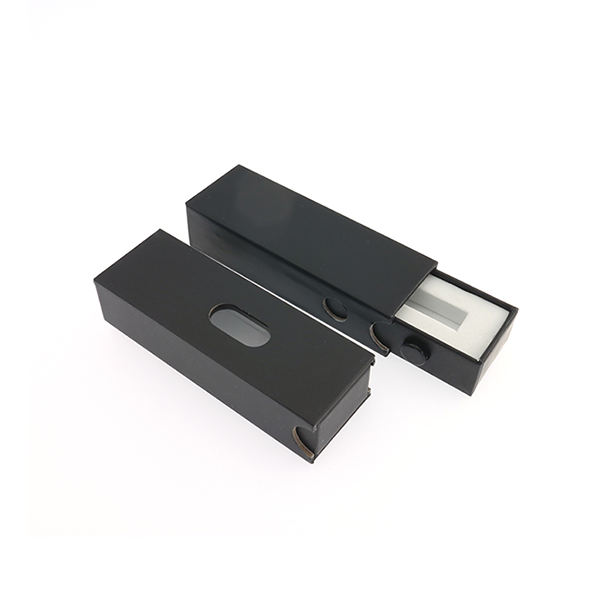
Folding carton
High-volume cartridges
Lightweight, printable, efficient
Less structural drama
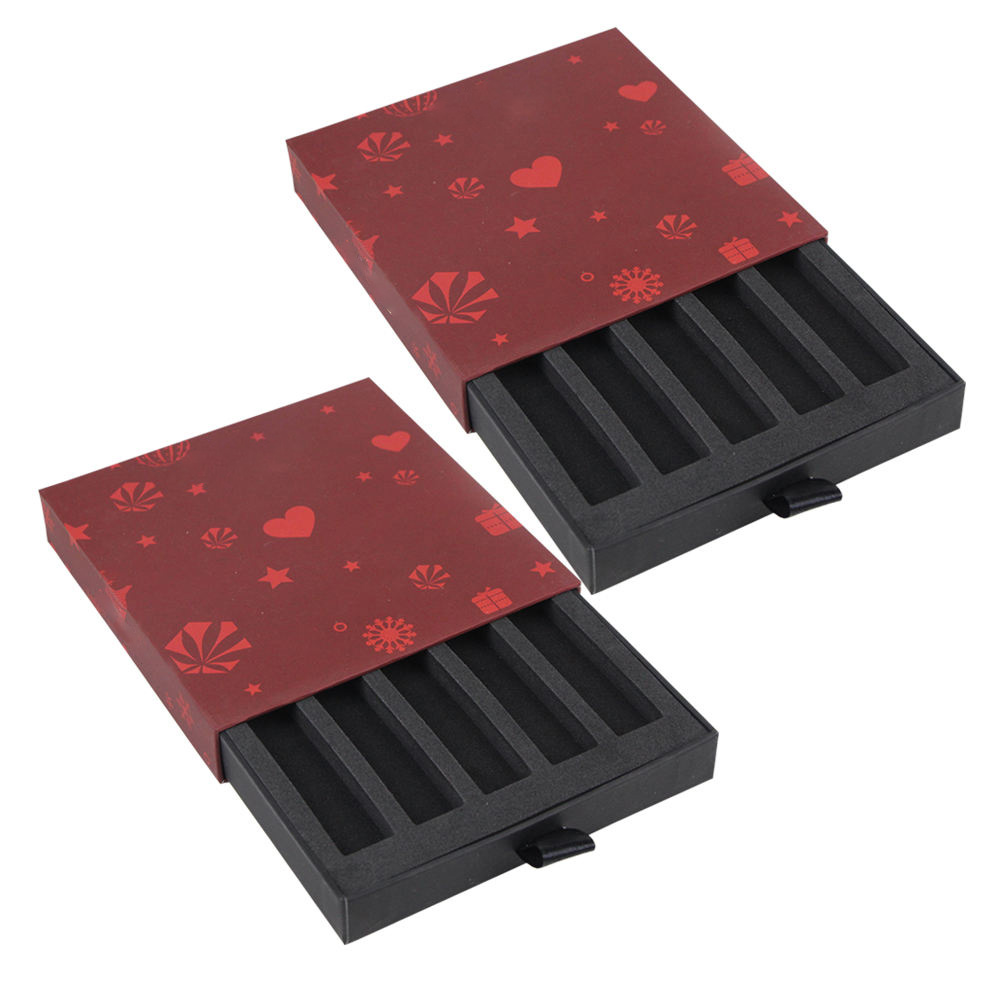
Drawer box
Premium cartridge lines
Strong unboxing experience
More components and assembly
Rigid box
Gift sets or premium kits
Strong presentation and protection
Higher material, labor and freight cost
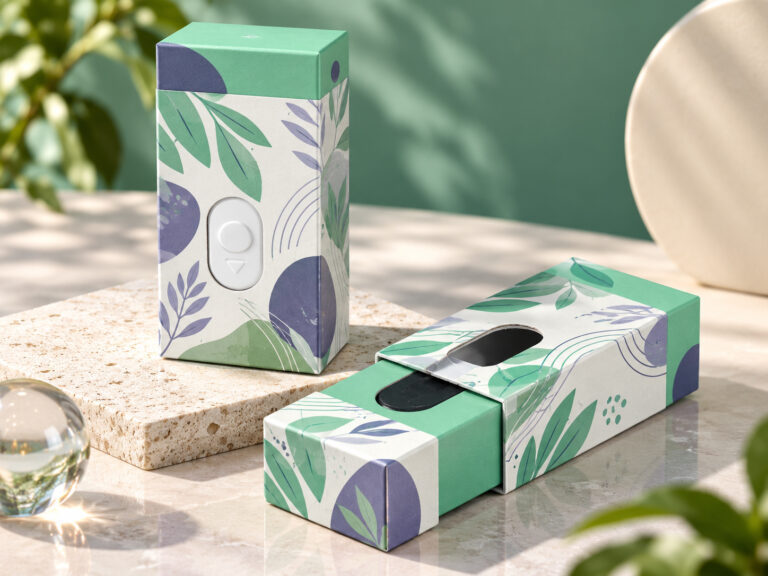
Child-resistant paper box
Regulated cannabis applications
Combines outer presentation with controlled access
Requires validated mechanism and careful sourcing
Paper tube
Distinctive cylindrical presentation
Strong shelf recognition
Less efficient for some cartridge shapes
Corrugated shipper
Wholesale transportation
Protects multiple retail packs
Usually not the primary retail package
This is where procurement discipline matters.
Do not pay rigid-box economics for a $20 retail product simply because the marketing team likes magnetic closures.
The New World Packaging guide notes that rigid setup boxes consume more material, involve more handwork and take up more freight and storage space because they do not ship flat.
That observation is particularly relevant when production happens overseas.
A beautiful empty box can be surprisingly expensive to transport.
The Insert Is Doing More Work Than Your Logo
Open a vape box and remove the insert.
What remains?
Usually a decorated shell with a cartridge rattling around inside it.
That is why insert engineering deserves more attention than it gets.
The insert controls:
cartridge position;
presentation angle;
movement during transit;
removal force;
perceived product precision;
accessory organization;
empty space.
Common options include folded paperboard inserts, molded pulp, thermoformed trays and foam.
Which one is best?
There isn’t a universal answer.
For many brands, a properly engineered paperboard insert gives a good balance between product restraint, printability, assembly efficiency and reduced material complexity. A premium kit containing cartridges, batteries and accessories may justify a more elaborate insert.
But oversized cavities look cheap.
So do badly cut finger notches.
And a cartridge that requires the customer to shake the box upside down is not “luxury unboxing.” It is poor structural design wearing expensive artwork.
How to Make Vape Packaging Stand Out Without Making It Loud
Shelf differentiation does not require visual shouting.
In fact, the cannabis category has spent years proving that excessive graphics can make ten supposedly distinctive brands look strangely similar.
I would start with hierarchy.
The shopper should be able to understand the front panel in roughly this order:
brand;
product type;
variant or strain identification where appropriate;
important product information;
supporting brand message.
Do not give all five elements the same typographic weight.
That creates noise.
Use Finishing Where It Has a Job
Foil stamping can emphasize a brand mark.
Embossing can add tactile identity.
Spot UV can create contrast between matte and gloss surfaces.
Soft-touch lamination can alter hand feel.
But applying every finishing process available from the printer does not automatically produce premium custom vape packaging.
Sometimes the expensive-looking option is restraint: one strong paper stock, one precise print system, controlled typography and an insert that fits perfectly.
Boring?
Maybe.
Effective? Often.
Design for the Physical Shelf
Design teams stare at packaging on 27-inch monitors.
Consumers usually do not.
A cartridge box might be viewed from several feet away, partially obscured by neighboring products, positioned in a display case or handled by dispensary staff before the end user ever touches it.
Test printed prototypes.
Put them next to competing products.
Reduce viewing distance.
Turn them sideways.
Stack them.
Then ask: can you still identify the brand?
If not, the packaging may look excellent in Adobe Illustrator while failing at its actual job.
Color, Typography and Information Density
Vape packaging typically has limited printable real estate.
Regulatory information makes the problem worse.
So every millimeter matters.
Avoid solving the issue by shrinking everything.
That creates technically complete packaging that nobody enjoys reading.
Instead, establish clear panel roles.
Front Panel
Keep the front commercially focused and visually controlled.
Side Panels
Use side panels for supporting information, instructions, specifications or brand copy where regulations permit.
Back Panel
Reserve enough space early for regulatory statements, warnings, ingredients, manufacturer information, identifiers, symbols and other required content applicable to the target market.
Do not design the artwork first and “find room” for compliance copy later.
That workflow is backwards.
Custom Vape Boxes Must Be Designed for Manufacturing
Here is where photorealistic renders mislead people.
A render has no folding tolerance.
No glue squeeze.
No board grain.
No lamination shift.
No foil registration variation.
No hand-assembly time.
A factory does.
For scalable custom vape boxes, engineering should consider dieline tolerances, paper thickness, crease behavior, insert fit, coating performance and assembly sequence before production.
One complicated feature may look harmless on screen but add several manual operations per box.
Multiply that by 50,000 units.
Now it matters.
Prototype Before Mass Production
I would never treat a digital mockup as approval for a mechanically important vape package.
Request a structural prototype.
Then a printed sample.
Load the actual product.
Open it repeatedly.
Ship several samples internally if possible.
Check whether the cartridge shifts after vibration and handling.
Look at corners.
Look at glue lines.
Look at scratches on dark laminations.
Check whether metallic areas scuff.
Small problems become expensive problems at scale.
What “Best Vape Packaging Design” Really Means
I would define the best vape packaging design as the package with the fewest unresolved compromises.
Not the fanciest box.
Not the cheapest box.
Not the one with the most Instagram-friendly opening sequence.
The best design balances protection, regulatory suitability, retail communication, manufacturing repeatability, logistics and brand recognition.
That is much harder.
And much more useful.
The reference cannabis packaging guide makes a similar practical argument: packaging structure, materials, print methods, cost, shelf space and applicable laws should be evaluated early rather than treated as isolated decisions.
That is the right mindset.
A Practical Vape Packaging Development Workflow
If you are wondering how to design vape packaging without creating an endless revision cycle, use a gated development process.
Step 1: Freeze the Product Configuration
Confirm the cartridge, accessories, orientation and pack count.
Step 2: Identify the Sales Jurisdiction
Determine exactly where the product will be sold.
State-specific cannabis requirements can vary, so compliance review cannot be reduced to a generic “U.S. cannabis packaging” checklist.
Step 3: Define the Packaging Architecture
Decide what each layer does:
primary container, protective insert, retail box, child-resistant layer where applicable, tamper evidence and shipping carton.
Step 4: Engineer the Insert
Fit the actual cartridge.
Do not work from approximate dimensions if production samples are available.
Step 5: Build the Information Hierarchy
Reserve compliance space before decorative artwork consumes it.
Step 6: Choose Materials and Finishes
Evaluate visual impact against production cost, freight, assembly and expected order volume.
Step 7: Make Physical Samples
Structural first.
Printed second.
Step 8: Test the Complete Pack
Review fit, opening, closing, movement, scuffing, shelf visibility and pack-out.
Step 9: Run Compliance Review
Have the responsible legal or compliance professionals validate the final artwork and packaging configuration for the actual jurisdiction.
Step 10: Lock the Production Specification
Record materials, board thickness, print method, Pantone references where applicable, finishes, insert specification, tolerances, packing method and approved sample standard.
That specification becomes the real product.
The PDF artwork does not.
FAQs
What is vape packaging?
Vape packaging is the complete packaging system used to contain, protect, identify, display and distribute vape cartridges, devices or related products, often combining a retail carton, protective insert and additional safety or compliance features. For cannabis vape products, the final configuration may also need jurisdiction-specific child-resistant, tamper-evident and labeling elements.
The exact system depends on the product and where it will be sold. A cartridge-only pack has different structural needs from a kit containing a battery, charging accessory and multiple cartridges.
How do you design vape packaging?
Designing vape packaging means engineering the package around the physical vape product, target retail market, applicable regulations, product-protection requirements and brand identity before selecting decorative finishes. The process normally moves from product measurement and structural design to inserts, information hierarchy, prototype testing, artwork approval, compliance review and final production specifications.
Starting with artwork instead of structure usually creates unnecessary revisions.
The product should dictate the package architecture.
What is the best material for vape packaging boxes?
The best material for vape packaging boxes depends on volume, positioning, protection requirements and structural format, but folding paperboard is often suitable for lightweight cartridge cartons while thicker rigid board can support premium kits. Inserts may use paperboard, molded pulp, foam or thermoformed material depending on the product and performance requirements.
There is no universally superior substrate.
A $100 presentation kit and a high-volume single-cartridge carton should not be engineered the same way.
Does cannabis vape packaging need to be child-resistant?
Cannabis vape packaging may need child-resistant features depending on the jurisdiction, product configuration and packaging layer, so brands must verify requirements for the specific market before production. California, for example, identifies vape cartridges among cannabis goods eligible for specified single-use child-resistant packaging configurations and imposes associated labeling requirements.
Do not rely on supplier assumptions alone.
Have the compliance team verify the final configuration.
How can vape packaging stand out on retail shelves?
Vape packaging stands out effectively when consumers can recognize its brand, product category and variant quickly without excessive visual clutter, using disciplined typography, distinctive color systems, structural consistency and carefully selected print finishes. Strong differentiation comes from coherent visual hierarchy and repeatable brand assets rather than simply adding more foil, gloss, graphics or unusual effects.
Distance-test the design.
A pack that only works close-up is not fully solving a retail problem.
What information should be included on vape packaging?
Vape packaging should include the product and regulatory information required in the jurisdiction where the item will be sold, while providing enough consumer-facing information to identify the product clearly. Depending on the product and market, this can involve identity statements, cannabinoid information, warnings, symbols, manufacturer details, tracking information and other mandatory disclosures.
The requirements are market-specific.
For example, California publishes separate guidance covering manufactured cannabis labeling and placement requirements.
Are rigid boxes better than folding cartons for vape packaging?
Rigid boxes are not automatically better than folding cartons; they provide greater structural presence and a premium presentation but generally require more material, storage volume, assembly labor and shipping space, while folding cartons are lighter, flatter and often more economical for high-volume retail cartridges. The right structure depends on product value and commercial objectives.
Premium appearance must justify premium packaging economics.
Otherwise, you are shipping air.
How much testing should custom vape packaging receive before production?
Custom vape packaging should receive enough physical testing to verify actual product fit, cartridge restraint, opening behavior, artwork placement, surface durability, assembly consistency and shipping performance before mass production. Teams should evaluate structural prototypes first, then printed samples containing the real product, because digital renders cannot reproduce paper behavior, manufacturing tolerances or transit movement.
For larger orders, that testing is cheap insurance.
One dieline error multiplied across tens of thousands of units is not.
Turn Vape Packaging Design Into a Production-Ready System
If your next custom vape packaging project is moving from concept into sourcing, don’t begin by asking which finish looks most luxurious.
Start with the cartridge.
Send the product dimensions—or preferably the physical cartridge—along with your target market, expected order quantity, packaging style and branding requirements.
From there, the useful questions become concrete: folding carton or rigid construction? Paper insert or another support system? Child-resistant architecture? Which finishes survive handling? How small can the box reasonably become? What needs to change before sampling?
Request a custom vape packaging quote or physical sample and evaluate the structure before committing to mass production.