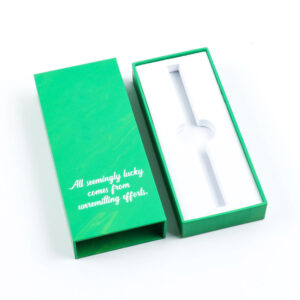
Source concentrate packaging boxes built around your actual jar or container, retail presentation, insert requirements, artwork, and intended market. From folding cartons and sleeves to rigid presentation formats, the structure can be developed around the concentrate product rather than forcing an existing container into a generic box.
Concentrate Packaging Boxes Built Around the Product and Container
A concentrate packaging box is secondary packaging designed around the container that holds the product. For cannabis concentrates such as wax, shatter, extracts, or related CBD products, that often means coordinating the outer box with a concentrate jar, glass container, insert, label, and required product information. The container comes first. Its dimensions, closure, shape, and orientation influence the internal space needed inside the box. An insert may then be added to control movement or position the jar for presentation. The outer packaging provides the printable surface for brand graphics, labeling space, and retail presentation. This approach is particularly useful when a brand manages multiple concentrate SKUs. Instead of treating the jar, label, and box as unrelated components, buyers can evaluate them as one packaging system.
concentrate packaging boxe
Concentrate Packaging Boxes
Explore concentrate packaging boxes and relevant structural options for jars, extracts, wax products, and other concentrate packaging applications below
Concentrate Packaging Boxes Built Around the Product and Container
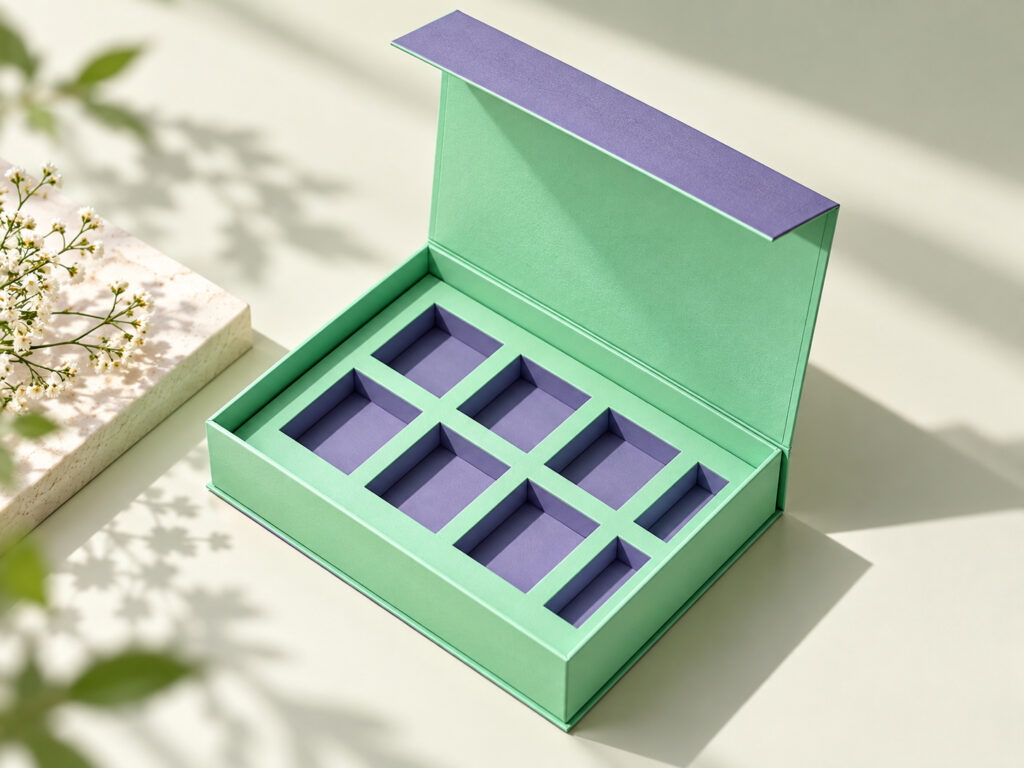
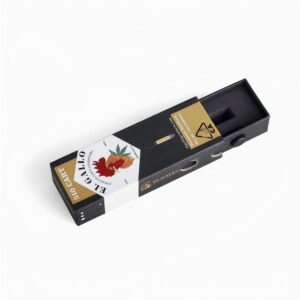
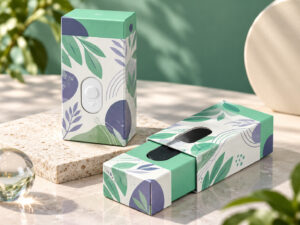
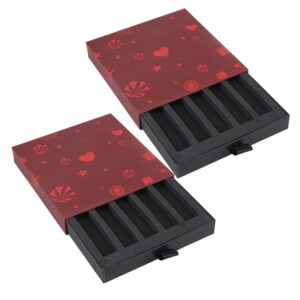
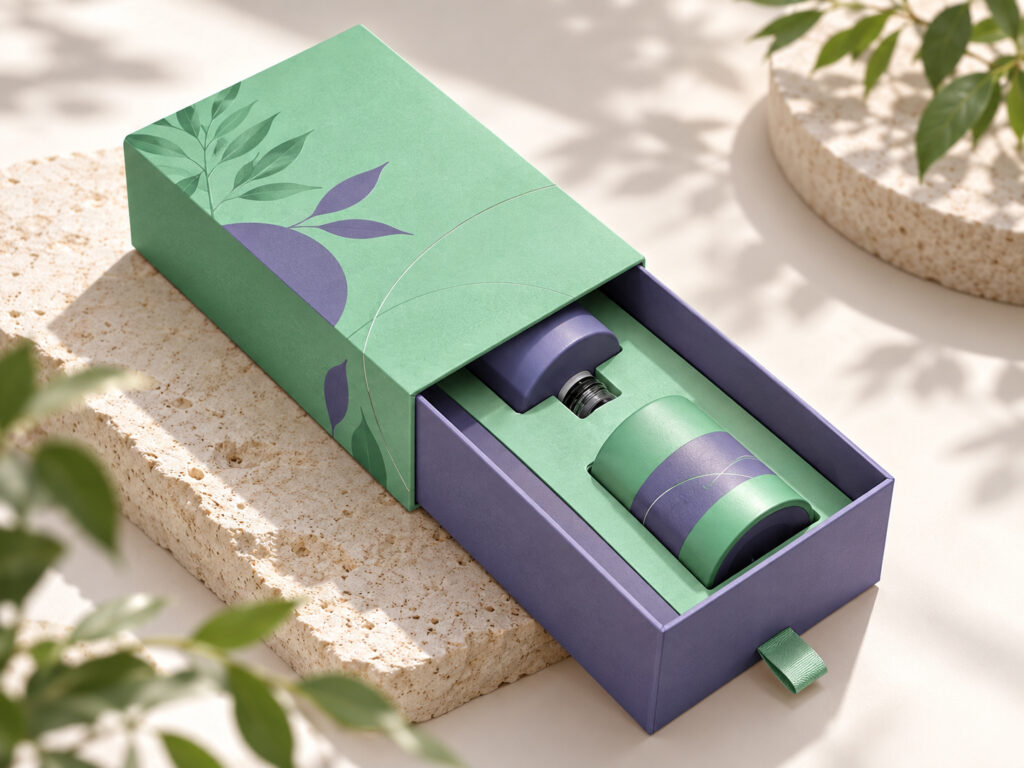
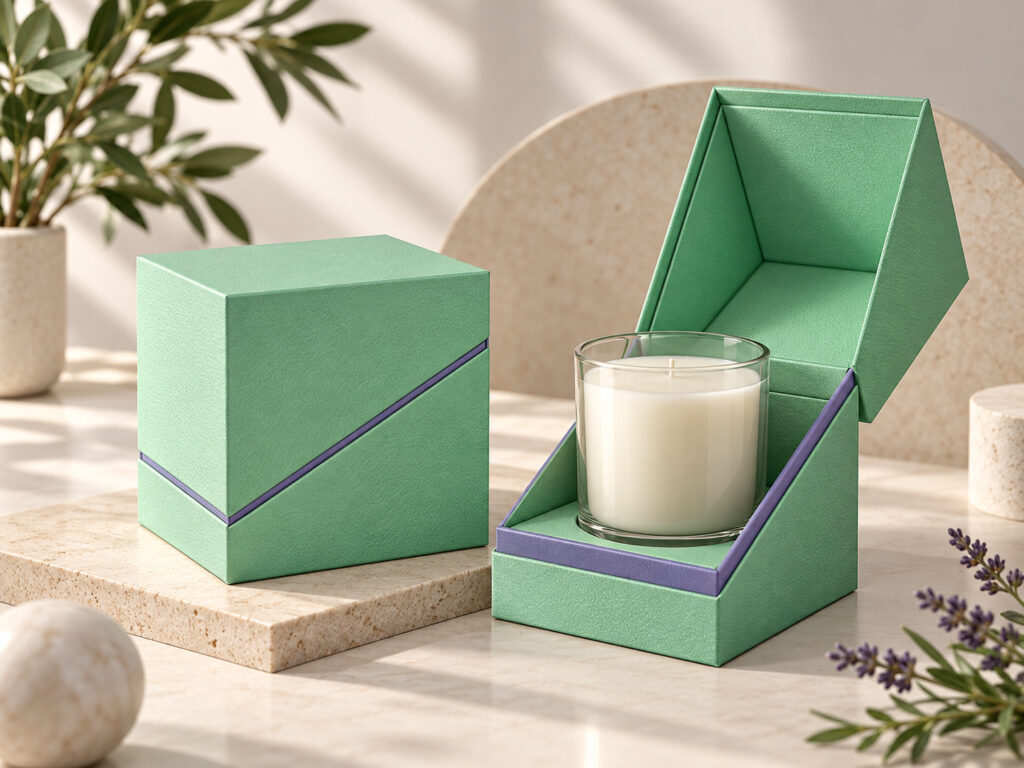
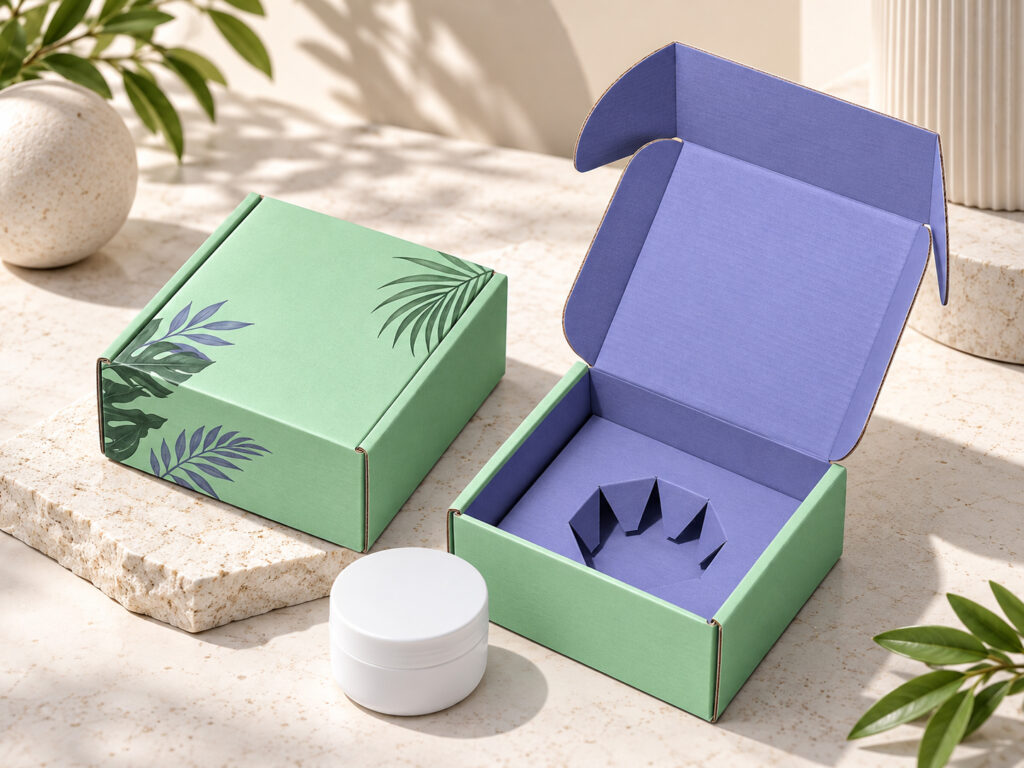
The right box structure depends on how the concentrate jar needs to be protected, presented, packed, and handled. Folding cartons can provide a relatively efficient secondary packaging format where the primary container already supplies most of the physical protection. A rigid box may be considered when greater structural rigidity or a more substantial opening experience is required. Sleeves can work around suitable inner containers or cartons, while insert-supported box packaging may help position smaller jars within a larger branded presentation. Structure also affects fulfillment. A box that looks appropriate on a dispensary shelf may have different assembly, storage, or packing considerations from packaging developed mainly for shipping into retail distribution. Rather than choosing a packaging type by appearance alone, compare jar dimensions, structural protection, shelf presentation, packing method, order quantity, and budget before confirming the design.
Jar Fit, Custom Inserts, and Packaging Dimensions
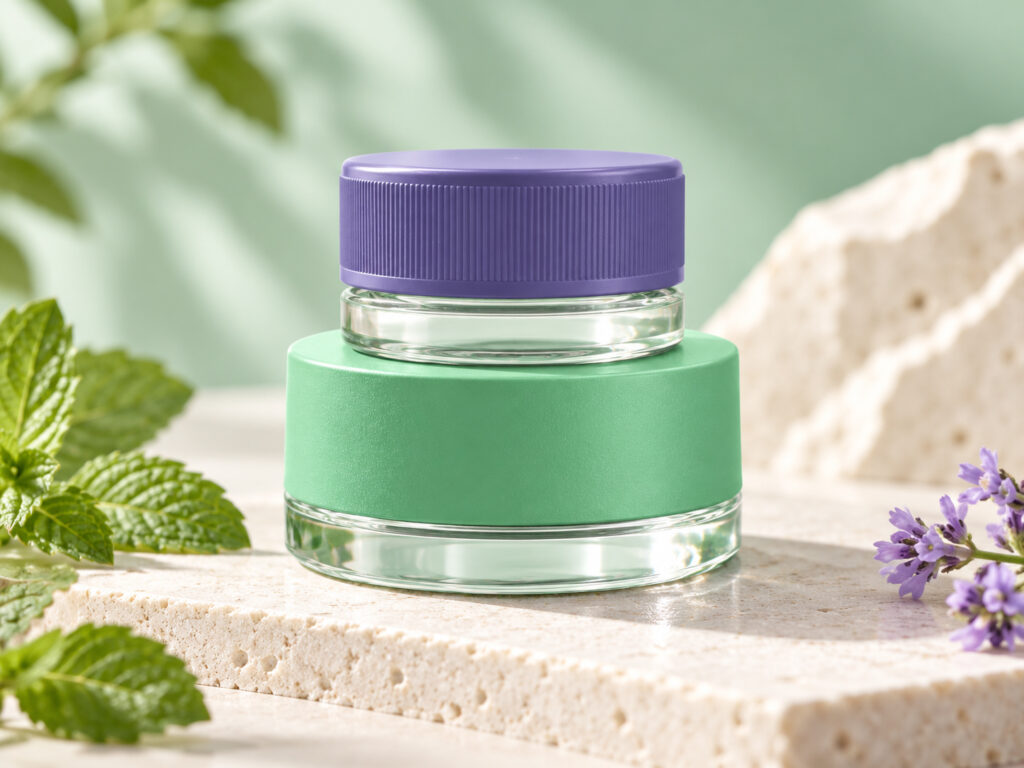
Accurate container dimensions are one of the most important inputs for custom concentrate packaging. A box should be engineered around the actual concentrate container rather than a nominal jar description. For example, if the product uses 9ml glass concentrate jars, wax jars, or another established container format, the supplier should still work from the specific container being packed. Similar-capacity glass jars can differ in body diameter, lid profile, height, and overall shape. An insert can help stabilize the jar, control its orientation, reduce unnecessary internal movement, and create a more organized opening presentation. Whether an insert is necessary depends on the container, box structure, transport conditions, and desired presentation. Before quoting or structural development, provide accurate jar dimensions or, where possible, the actual container specification. Do not rely on assumed dimensions simply because two jars are sold under the same capacity description.
concentrate packaging boxe
concentrate packaging boxe
Child-Resistant, Tamper-Evident, and Packaging Requirement Considerations
Cannabis packaging should be evaluated as a complete configuration: the printed secondary box, the primary concentrate container, and any child-resistant or tamper-evident component may perform different functions. A branded carton around a jar should not automatically be treated as the child-resistant component. Depending on the intended market and finished configuration, child-resistant functionality may instead be provided by the immediate container, closure, outer package, or another qualified packaging component. Requirements also vary by jurisdiction. California’s Department of Cannabis Control, for example, addresses tamper-evident and child-resistant requirements for cannabis goods and differentiates packaging requirements by product type. Canada applies a different federal framework that includes plain-packaging restrictions, mandatory labeling elements, and child-resistant immediate-container requirements for most cannabis products. For that reason, branding and compliance should be reviewed for the specific destination market and final packaging system. Regulatory text, potency information, warnings, and other required product information may also affect available artwork space. Buyers should confirm applicable requirements with qualified regulatory professionals before production.
concentrate packaging boxe
Materials, Protection, and Sustainable Packaging Choices
Packaging materials should be selected according to the job the box needs to perform. Structural rigidity, printability, insert compatibility, storage, shipping, retail presentation, and material efficiency can all affect the final packaging choice. Paperboard cartons may suit applications where compact storage and print surface are priorities. More rigid paper-based constructions can be considered when the concentrate container needs a stronger presentation structure. Insert material should also be evaluated together with the jar and outer box rather than specified independently. Sustainable packaging goals require the same level of scrutiny. Material composition, coatings, laminations, inserts, local recycling infrastructure, and the finished package construction all influence environmental considerations. A material should not be described as recyclable, biodegradable, compostable, or environmentally preferable without confirming the relevant specifications and intended market. There is no universal “best packaging” material. The appropriate option depends on the container and commercial requirements.
Custom Printing, Labels, Finishes, and Brand Presentation
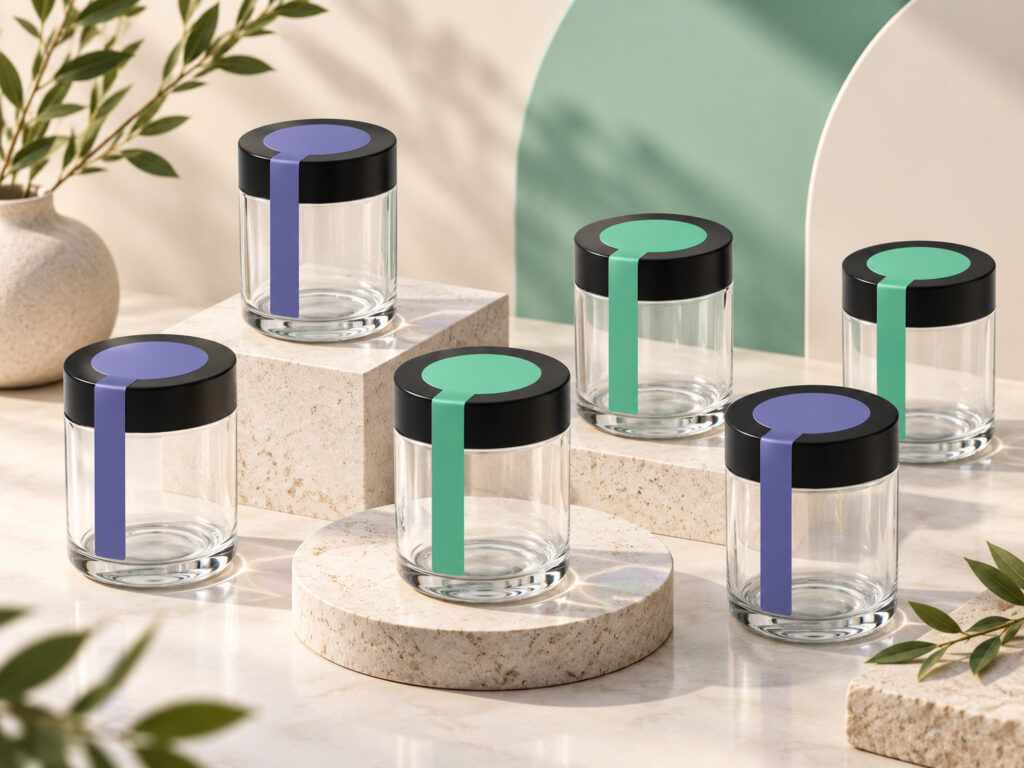
Custom concentrate packaging gives brands additional surface area to organize identity, product differentiation, and required information around a relatively small concentrate container. Graphics on the box can coordinate with the concentrate jar label, while structural elements such as sleeves, inserts, opening direction, and internal presentation can help create a consistent packaging system. Depending on confirmed manufacturing capabilities, buyers may also discuss suitable printed effects or decorative finishes during specification. Artwork planning matters especially in regulated markets. Brand identity must coexist with space for product information, warnings, potency statements, batch details, or other required labeling elements where applicable. Canada, for example, places specific restrictions on cannabis branding and requires prescribed information on legal cannabis packaging. For multi-SKU programs, a common structural format with controlled artwork or label variations may also be worth evaluating where container dimensions permit it.
concentrate packaging boxe
concentrate packaging boxe
Packaging for Wax, Shatter, Extracts, and Other Concentrate SKUs
Wax, shatter, extracts, and other concentrate products do not automatically require the same secondary packaging configuration simply because they sit in the same product category. One SKU may use a low-profile glass concentrate jar, while another uses a different concentrate container or closure. That can change the box dimensions, insert geometry, labeling area, and way the product is oriented inside the package. Custom concentrate wax boxes and extract packaging should therefore be specified around the actual primary container. The outer box can support protection, product organization, brand presentation, and retail handling, but it should not be assumed to preserve potency, aroma, terpenes, freshness, or product chemistry unless the relevant packaging system has been specifically validated for that function. The same principle applies to CBD or related product ranges: standardize packaging where practical, but allow for differences in containers, labels, inserts, and regulatory information between SKUs.
What Buyers Should Confirm Before Ordering Custom Concentrate Packaging
Before requesting a quotation, buyers should prepare the container information, desired box structure, approximate quantity, artwork requirements, intended market, and any safety or labeling requirements that may affect the finished packaging.
01.
What jar or container information is required?
Provide the actual concentrate jar or container dimensions, including the closure where relevant. If several SKUs use different containers, identify which sizes need separate packaging.
02.
Should the box include an insert?
Confirm whether the jar needs additional positioning or stabilization. Insert requirements can affect the internal dimensions, structure, material use, and packing process.
03.
What artwork and labeling space is needed?
Prepare the brand artwork and identify areas needed for labels, warnings, product information, potency information, variable data, or market-specific content.
04.
What purchasing variables should be discussed?
Prepare the brand artwork and identify areas needed for labels, warnings, product information, potency information, variable data, or market-specific content.
What purchasing variables should be discussed?
Order quantity, MOQ, wholesale pricing, lead times, custom manufacturing requirements, delivery destination, packing method, and any physical or structural sample needs should be confirmed with the packaging supplier rather than assumed in advance. These details allow a supplier to assess customized packaging more accurately and reduce avoidable revisions before production.