Custom Edibles Packaging
Boxes for Cannabis Products

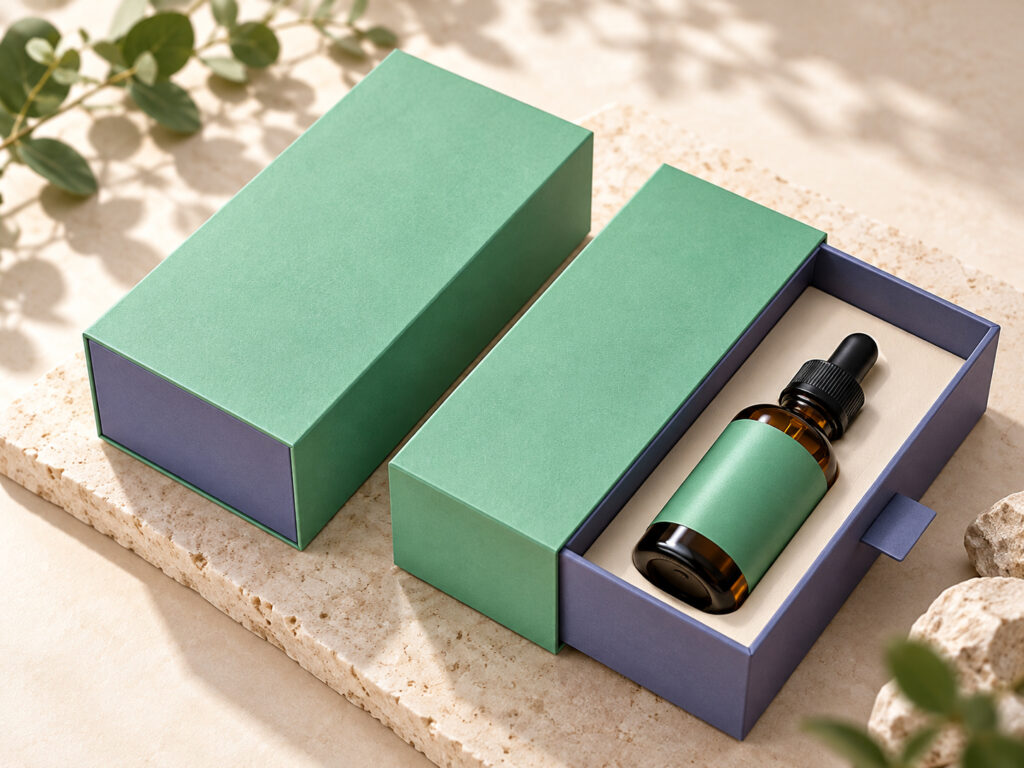
Develop edibles packaging
around the product, inner container and sales market—not around a generic stock box. We support packaging projects for gummies
, THC
edibles and other cannabis formats where buyers need customized dimensions, structural protection, branded presentation and clearly defined packaging functions. Compare materials, inserts, printing and compliance considerations before moving to production.

Edibles Packaging for Gummies, THC Edibles and Cannabis Products

Edibles packaging can perform several jobs within the same packaging system: presenting the product at retail, protecting an inner pouch or container, organizing multiple units and providing space for branding and required information.
For gummies
and other THC
edibles, it is important to define exactly what the outer package is expected to do. A folding carton, presentation box or other paper-based structure may function as secondary packaging around an inner pouch, tray or container. The inner component may instead be responsible for product contact, sealing, freshness
or regulated child-resistant performance.
This distinction helps buyers avoid specifying unnecessary features or assuming that one component performs every packaging function.
A well-planned edible
packaging solution should consider the product format, number of servings or units, inner package dimensions, retail presentation, distribution conditions and destination market together.
CBD Packaging Boxes
CBD Packaging Boxes

Edibles Packaging Boxes

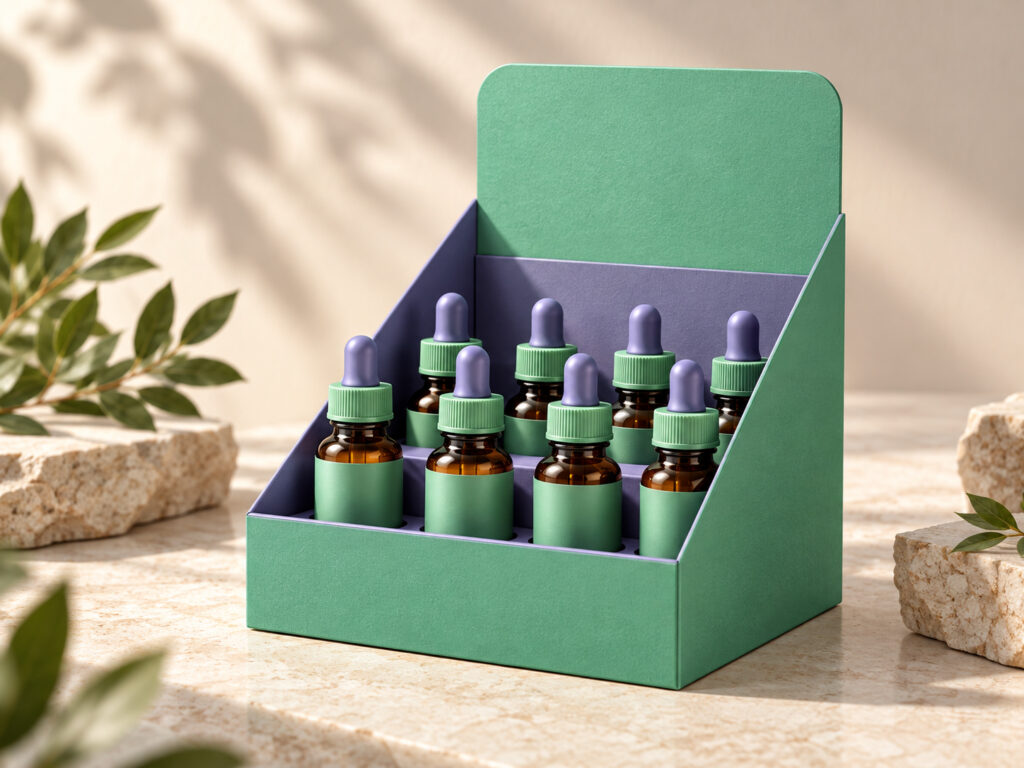
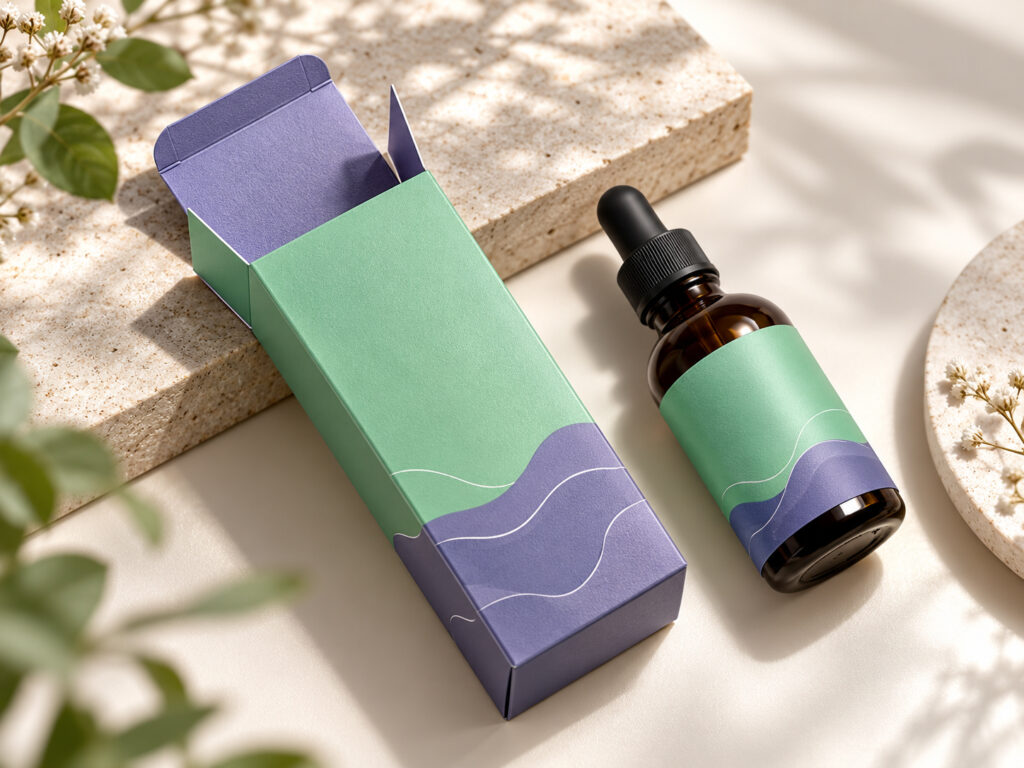
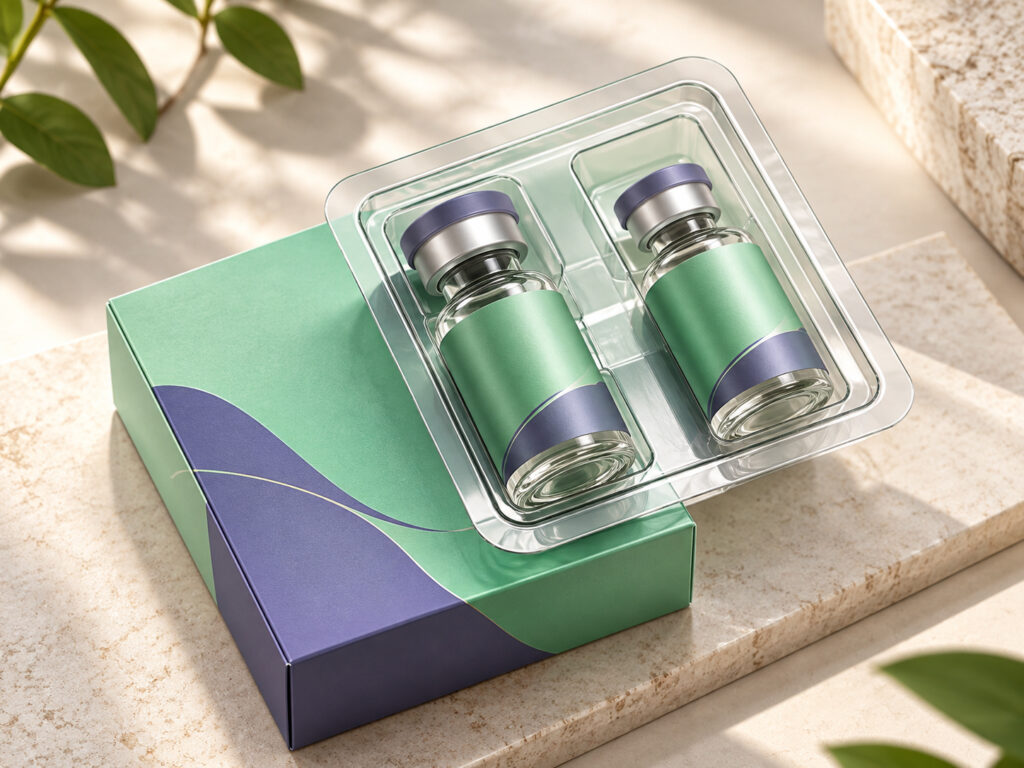
Review relevant packaging configurations below to compare structures, customization
possibilities and presentation formats for your edible product and inner packaging.

Edibles Packaging Boxes Guides & Resources

Explore additional guides covering edible packaging and designs
, packaging material
selection, product safety
, compliance considerations, customization and commercial sourcing.

Which Edible Packaging Format Fits Your Product?

Different types of edible
products need different packaging options. A small gummy pouch, multi-unit assortment and container-packed product will not necessarily benefit from the same structure.
Custom boxes should be selected after the inner packaging dimensions are known. Otherwise, excessive empty space can increase material use, shipping volume and the amount of insert material required.
Also consider where the package will be filled. Manual packing, automated packing and retail display can place different demands on structure, opening direction and assembly.
For sourcing teams, the useful question is not simply “Which box looks best?” It is “Which packaging solution performs the required jobs with the fewest unnecessary components?”

Child-Resistant Packaging and Compliance Considerations

Child-resistant performance requires particular care because it cannot be assumed from appearance. A paper carton surrounding another container does not automatically become child-resistant simply because it is difficult to open.
California, for example, requires cannabis goods to meet specific packaging requirements and states that edibles may require multiple-use child-resistant packaging depending on the configuration. The state also addresses tamper evidence, resealability and opacity for edible products. Department of Cannabis Control
The U.S. Consumer Product Safety Commission describes child-resistant packaging under the Poison Prevention Packaging Act as packaging designed to be significantly difficult for young children to open while remaining usable by adults. U.S. Consumer Product Safety Commission
Canada uses a separate federal cannabis packaging and labelling framework, including child-resistant container and mandatory labelling requirements. Health Canada also notes that it does not pre-approve individual packages or labels. Canada
Before approving cannabis edible packaging, buyers should therefore verify:
which packaging layer provides the required child-resistant function;
whether the package is single-use or needs to remain functional after reopening;
tamper-evident requirements;
resealability where applicable;
required warnings, symbols and THC/CBD information;
available label area;
restrictions affecting graphics or structural presentation;
documentation supporting any compliance claim.
Packaging regulations vary by jurisdiction, product format and packaging configuration. Treat regulatory review as part of specification development rather than as a final artwork check.

CBD Packaging Boxes
CBD Packaging Boxes
CBD Packaging Boxes
CBD Packaging Boxes

Packaging Material, Protection and Freshness Requirements

Packaging material should be chosen according to the function assigned to each component.
Paperboard and other paper-based constructions can provide structural support, surface area for printing and protection against normal handling. More substantial structures may be appropriate when the inner product or container needs greater crush resistance.
But freshness is a separate question.
If moisture, oxygen, aroma or other environmental barriers matter to the edible product, identify which inner packaging component provides that protection. An outer paper package should not automatically be described as a food-contact or high-barrier material.
Evaluate:
product weight and fragility;
inner container or pouch material;
crush and movement protection;
storage environment;
shelf-life requirements;
distribution conditions;
packing process;
desired product presentation;
sustainability objectives.
If biodegradable packaging or another sustainability claim is being considered, buyers should also confirm exactly which material the claim applies to and what supporting documentation is available.
The result should be a durable packaging system based on defined functions rather than broad material claims.

Custom Sizes, Inserts and Structural Packaging Design

Custom sizes are most useful when they are built from real product data.
Start with the exact dimensions of the pouch, jar, tray or other inner component. Then define the number of units, desired orientation and how much movement is acceptable inside the package.
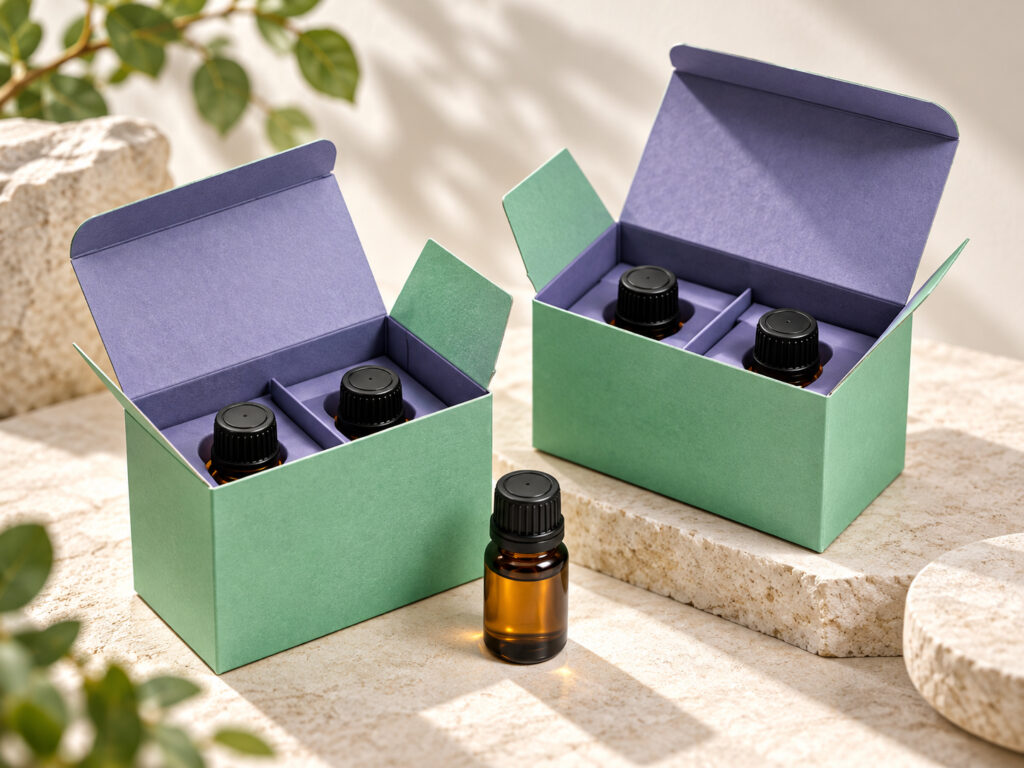
Custom inserts can help position individual products, separate multiple components or improve the opening presentation. They can also reduce product movement when properly engineered around the item being packed.
For structural development, provide:
product or inner-package length, width and height;
quantity per package;
preferred structure;
orientation of the product;
closure preference;
custom inserts or compartment requirements;
required labeling area;
expected packing method;
distribution considerations.
Packaging design should also account for how the box is opened, packed, closed and handled—not just how it appears in a rendering.
These details make customizable packaging more practical because the structure is developed around actual packaging needs rather than adjusted after artwork has already been completed.
CBD Packaging Boxes
CBD Packaging Boxes
CBD Packaging Boxes
CBD Packaging Boxes

Custom Printing Options and Branding

Custom printed packaging should connect brand presentation with structural reality.
Artwork placement, logo scale, typography, panel hierarchy and color consistency all depend on the dieline. Important graphics should not fall across fold lines, closures or areas that become hidden after assembly.
For THC edible packaging, required regulatory information may also consume significant panel space. California, for example, specifies required information for the primary display panel of manufactured cannabis products, including product identity and the state’s cannabis symbol; edible product labels have additional requirements. Department of Cannabis Control
Before final artwork approval, confirm:
logo and brand placement;
color references;
typography;
product information hierarchy;
warning and symbol locations;
barcode or tracking areas where relevant;
artwork orientation;
confirmed finishing requirements.
Custom printing options should be selected only after the supplier confirms what is technically available for the chosen packaging material and construction.
Distinctive packaging does not necessarily require excessive decoration. Clear hierarchy, appropriate structure and consistent graphics can often create stronger shelf recognition than adding finishes simply for visual complexity.


How to Evaluate a Cannabis Packaging Supplier

A packaging supplier should be evaluated as part of the production system, not just as a source of printed cartons.

Procurement and packaging teams should first determine whether the supplier understands structural development, material selection, print production and quality control for the packaging being ordered.

Ask potential packaging companies about:

  • structural engineering capability;
  • material options and supporting documentation;
  • prototype or sampling process;
  • print capability;
  • customization options;
  • dimensional and artwork approval procedures;
  • production quality-control checkpoints;
  • handling of repeat orders;
  • packaging and shipping preparation;
  • order requirements;
  • expected turnaround time.

For regulated packaging, ask a more specific question: Which component is responsible for the claimed regulatory function, and what documentation supports it?

If design support is offered, clarify whether it means artwork preparation, dieline adjustment, structural development or complete packaging engineering. These are different services.

Likewise, terms such as high-quality packaging, reliable packaging or fast turnaround are commercial claims rather than technical specifications. Buyers should verify what measurable process or commitment sits behind them before making a sourcing decision.

Contact

What Information Is Needed for an Edibles Packaging Quote?

A useful quote starts with a useful specification.
You do not need every detail finalized, but providing the main technical and purchasing information allows the supplier to recommend more relevant customization options and avoid quoting the wrong structure.
Include:
edible product type;
dimensions of the product or inner package;
units per pack;
preferred box or carton structure;
required child-resistant functionality, if applicable;
destination country or state;
packaging material preference;
printing requirements;
artwork status;
insert requirements;
estimated order quantity;
target delivery timing.
Also include photos, an existing sample or a reference structure when available. These can help explain opening style and product layout before engineering details are finalized.
If the project requires a complete cannabis packaging solution rather than only an outer carton, identify every packaging component in the RFQ. This helps suppliers understand what they are quoting and which functions belong to the pouch, container, insert or secondary pack.