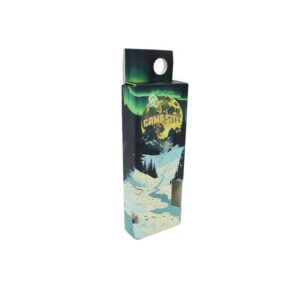
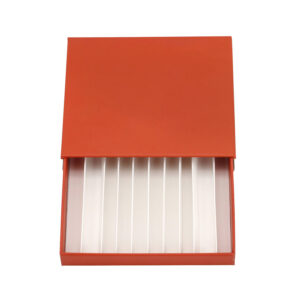
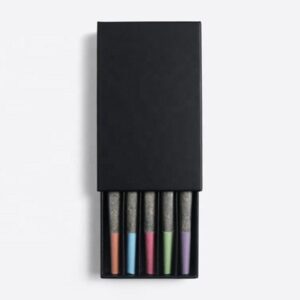
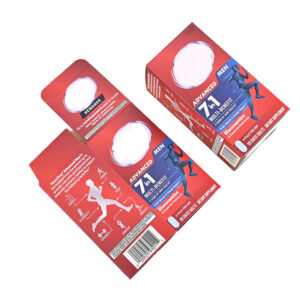
Explore packaging by construction and external form, from magnetic closure, drawer and hinged rigid boxes to heart, hexagon, octagon and other shaped designs. Chengyi Packaging helps buyers compare opening styles, product fit, materials and presentation needs before developing a suitable custom box for retail, gifting or product launches.
Explore Custom Boxes by Shapes for Different Packaging Needs
Boxes by Shapes brings packaging options together so buyers can compare how a box is built, how it opens and how its exterior form supports the product. Some categories describe the opening structure, such as a hinged cover, sliding tray or removable lid. Others describe the outline, including heart, hexagon, octagon or an irregular profile. These are different decisions. A book-style box describes a hinged construction, not a geometric form. A two-piece box describes a separate lid and base, not a square or rectangular shape. Start with the product and packing requirements, then select the structure and outside shape that support presentation, handling and storage.
Explore Boxes by Shapes
Browse available box styles and product examples to compare construction, presentation and customization directions for your packaging project.
Which Box Structure Fits Your Product and Opening Requirements?
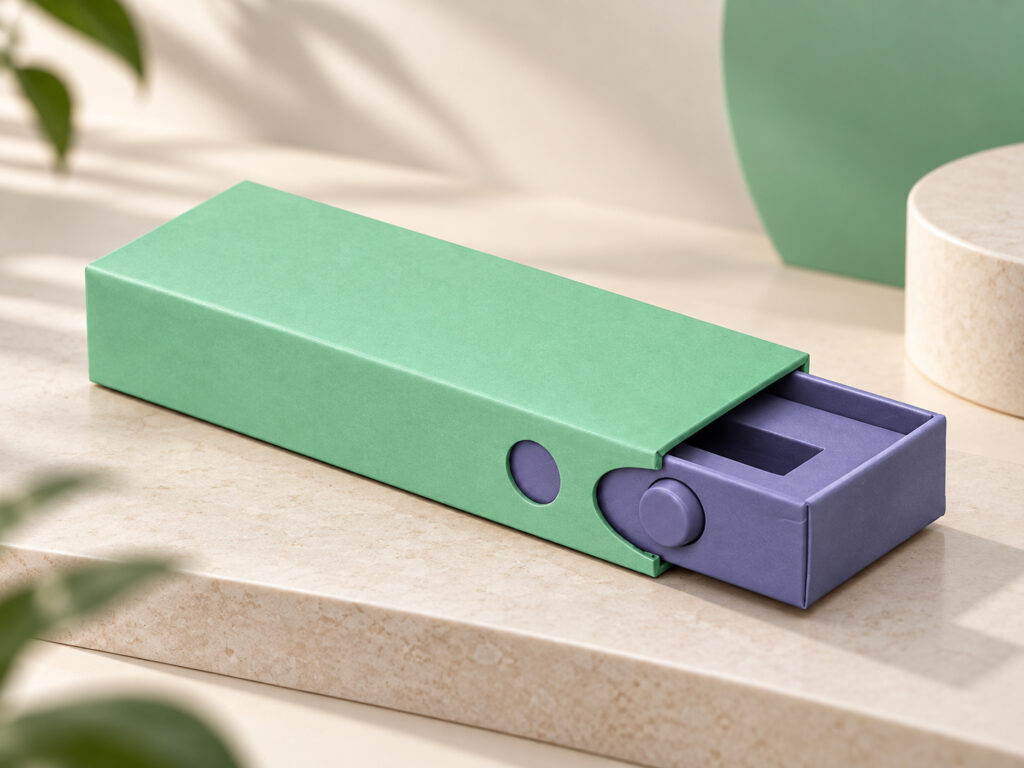
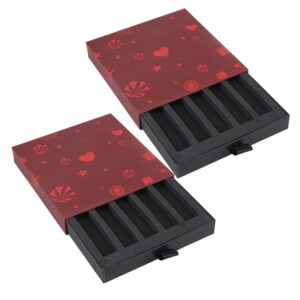
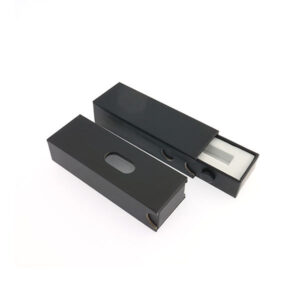
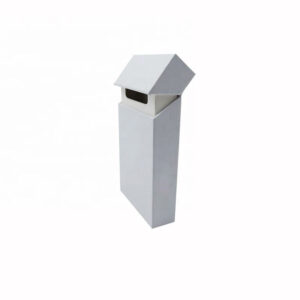
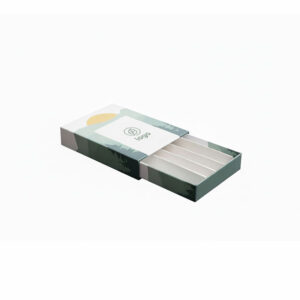
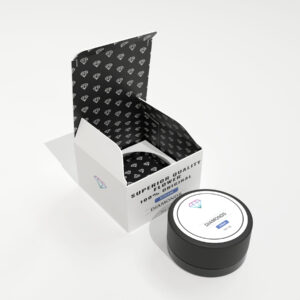
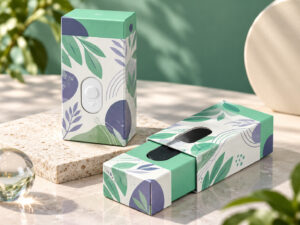
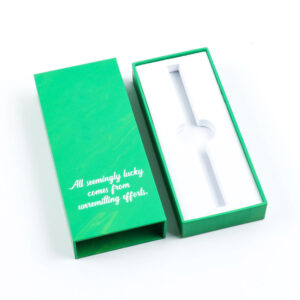
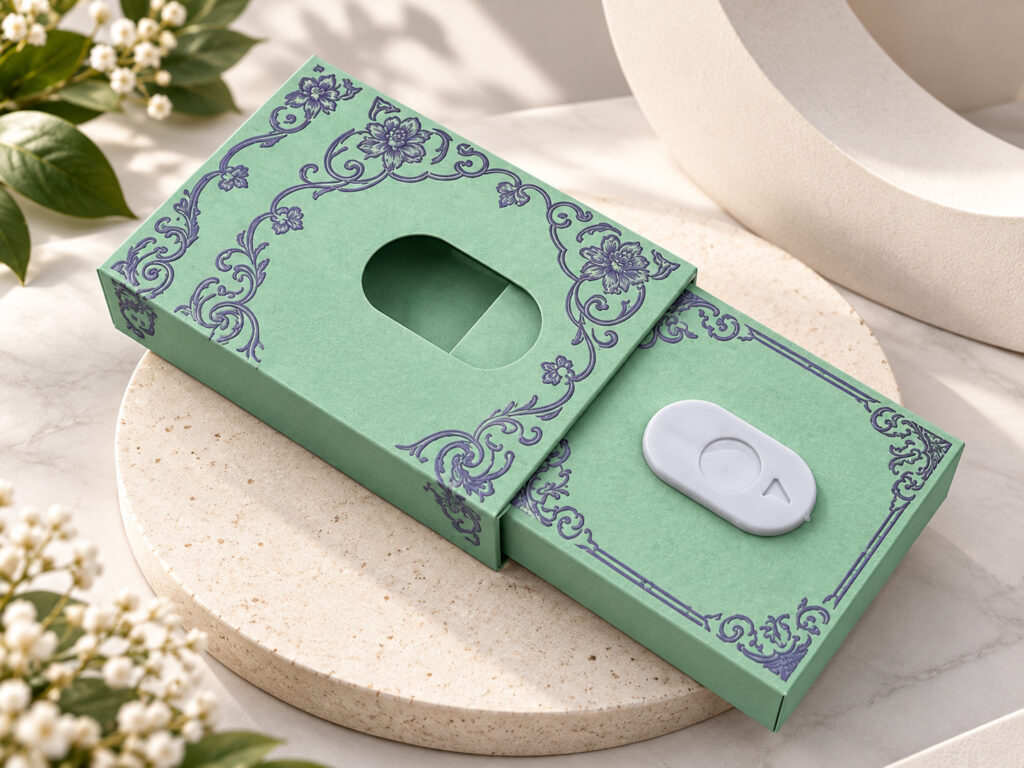
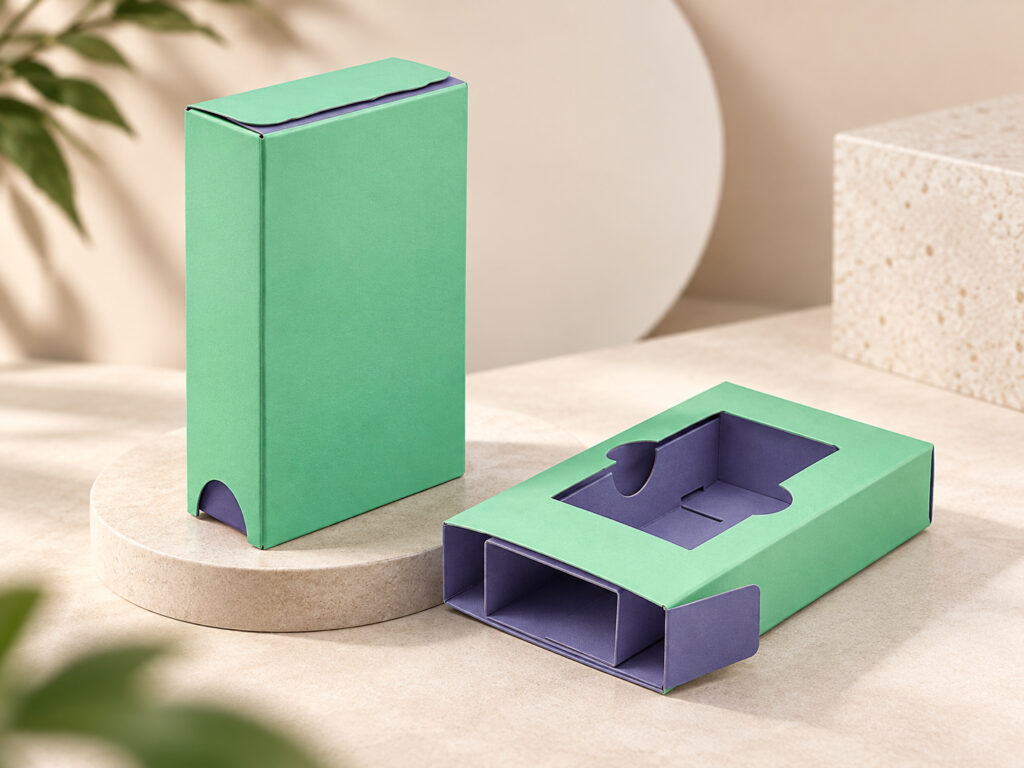
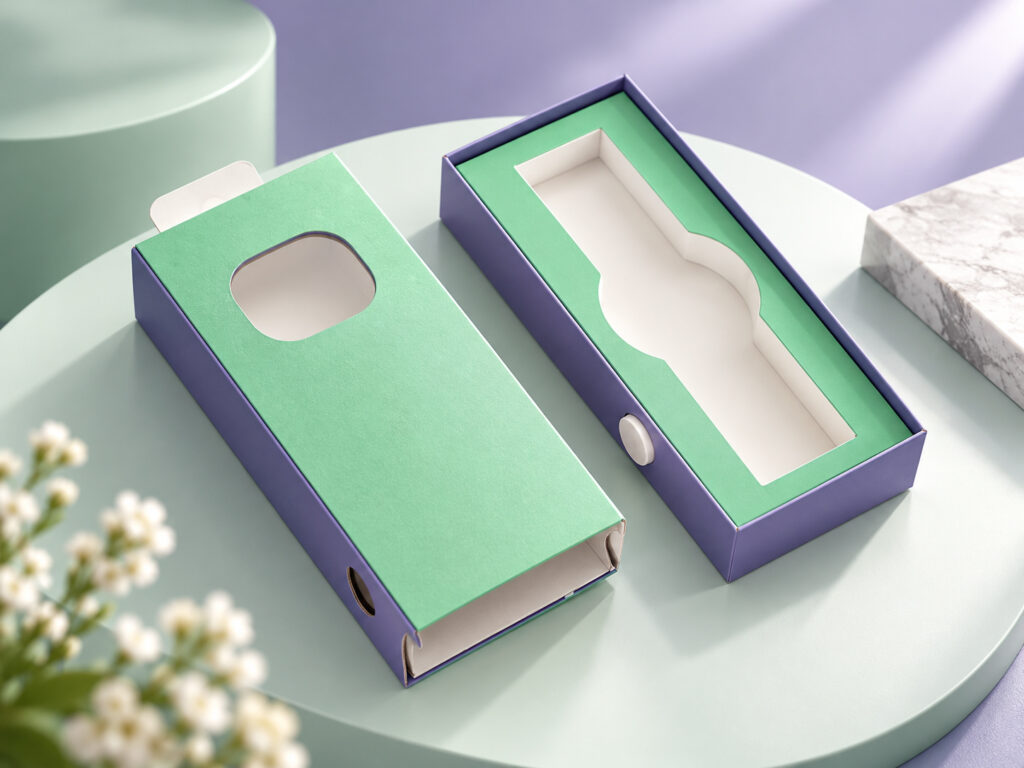
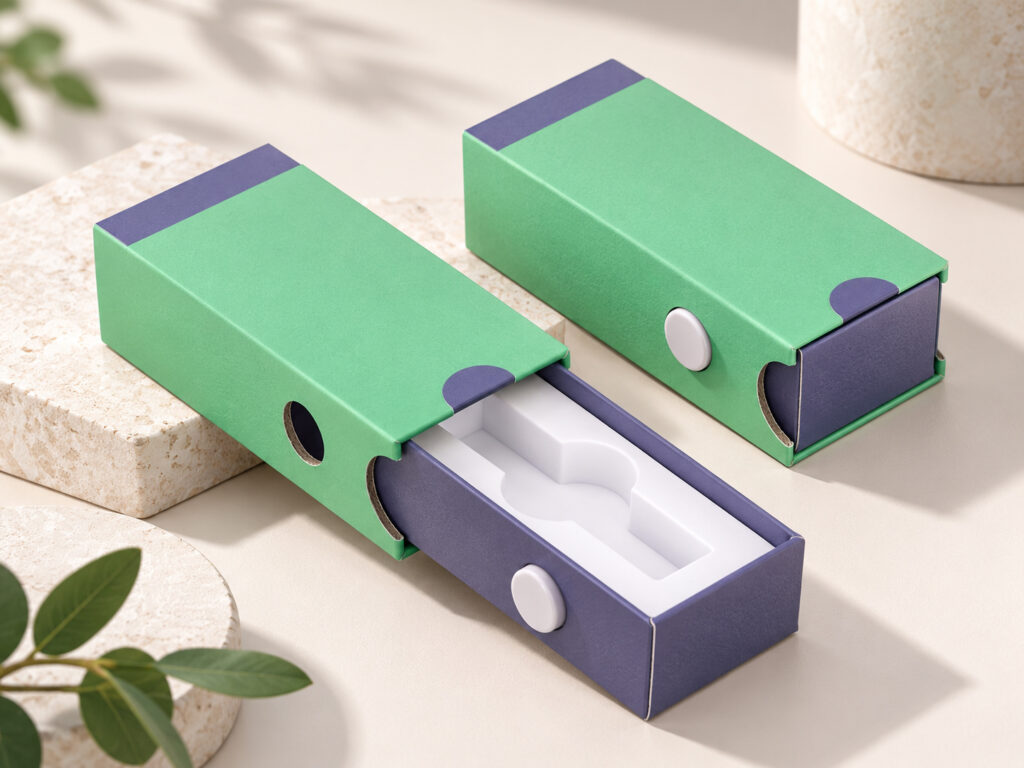
Magnetic closure and book-style rigid boxes use an attached cover or hinged panel. Clamshell boxes also open on a hinge, while two-side-open designs provide access from more than one panel. Paper drawer boxes use a sliding tray inside an outer sleeve; a ribbon pull or finger notch can make access easier. Two-piece rigid boxes have a separate lid and base. Shoulder-neck boxes add an inner collar, while lid-lift-off styles use a removable cover. Folding gift boxes collapse for storage and form a three-dimensional package during assembly. Compare the assembled appearance, storage format and packing steps before choosing.
What Custom Box Shapes Can Make Your Packaging Stand Out?
Geometric and specialty shapes change the outside silhouette rather than the opening mechanism. Heart-shaped boxes can suit seasonal, wedding and occasion gifting. Hexagon and octagon boxes offer alternatives to familiar square or rectangular formats for chocolates, candles, cosmetics and curated gift sets. Odd-shaped rigid boxes cover designs that do not fit a standard geometric outline. A custom form can follow a product theme or campaign concept, but it still needs workable panels, stable edges and a practical lid or closure. Plan the internal space alongside the outer profile. A distinctive shape may require a dedicated dieline, cutting die, insert layout or extra assembly. Review a physical sample before approval, especially when the design has angled edges, multiple panels or an unusual opening sequence.
How Do Materials and Customization Options Affect Your Box Design?
Material selection depends on product weight, required stiffness, use and presentation. Rigid setup board supports structured gift boxes; folding carton board suits lighter retail packs, while corrugated material may be considered when additional transit protection is needed. Kraft and printed wrapping papers create different surface appearances. The interior can be developed with paperboard inserts, dividers, foam or molded-pulp components where suitable. Inserts should hold the product in position without making removal awkward. Compartments can separate accessories or multiple pieces. Customization may include offset or digital printing, foil stamping, embossing, debossing, spot effects, protective coatings, windows and ribbons. Not every finish suits every material or construction. Confirm the board, artwork, finishing sequence and sample together before production.
Which Box Shapes Work Best for Different Products and Gift Applications?
Cosmetics and skincare sets often need fitted trays for bottles, jars or tools. Perfume boxes may use a rigid structure and shaped insert for a glass bottle. Jewelry and accessories can suit compact drawer, book-style or lid-and-base boxes, depending on the item and display needs. Electronics may need separate spaces for the device and accessories. Candles, gourmet food and chocolate gift sets can use two-piece, shoulder-neck, drawer or geometric formats when insert design and product weight are considered. Apparel, promotional kits, corporate gifts and seasonal or wedding gifts may place greater emphasis on presentation and opening sequence. No single shape works for every product. Dimensions, weight, fragility, retail display, e-commerce handling and the customer’s opening experience should guide the choice. Share the actual item or a dimensioned drawing before settling on a structure.
How Do You Choose the Right Box Size and Internal Structure?
Start with the product’s length, width, height and weight, then account for its orientation and accessories. Internal dimensions—not just outside measurements—determine whether the item can be placed, removed and held securely. Include the insert, lid depth, tray walls and necessary clearance. The insert should limit movement without making the product difficult to remove. For a set, map each component before finalizing compartments. For a hinged or lift-off box, check lid-to-base fit; for a drawer, check that the tray slides smoothly after wrapping and assembly. A sample with the actual product is the best way to review these details. Consider storage, assembly and shipping too. A presentation box may need a separate outer shipping carton. Reviewing the complete packing arrangement helps avoid wasted space or slow packing.
How Are Custom Box Shapes Developed for Production?
A project starts with a review of the product, intended use and preferred style. The structure and dimensions are developed into a dieline, accounting for materials, board thickness, inserts and opening details. A prototype or sample helps check fit, appearance, closure and assembly before approval. Chengyi Packaging Co., Ltd. is based in Dongguan, China. Its website reports a 20,000 m² factory, 9 production lines, 400+ staff and 40+ machines, including Heidelberg printing equipment. The stated workflow covers structural design, printing, sampling, production and final QC. The site also lists FSC-certified materials, an ISO 9001 quality system and BSCI audit status. For a quotation, prepare reference images, product dimensions and weight, preferred structure, material and insert requirements, artwork, order quantity and destination market. Include packing or shipping considerations that may affect the design. Have a packaging structure in mind? Send your product dimensions and reference images to discuss the design and sample requirements.
Ready to Create the Right Box Shape for Your Product?
Whether you need a classic rigid box, a distinctive geometric design, or a fully customized packaging structure, Chengyi Packaging is ready to discuss your project. Share your product dimensions, reference images, quantity and design preferences. Let’s explore a packaging solution that fits your product and brand.