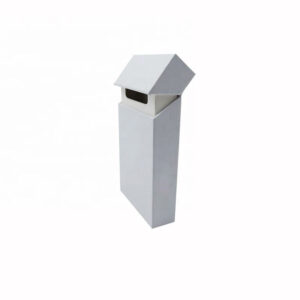
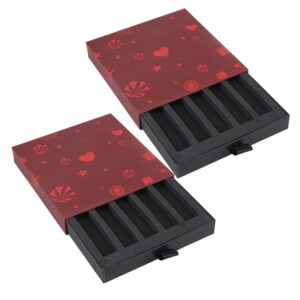
Source custom-made paperboard cartons, cigarette boxes, and secondary packaging structures directly from a China-based packaging manufacturer. Choose from folding cartons, hinged-lid designs, blank cigarette boxes, and rigid paperboard formats for permitted applications. We support structural design discussions, material selection, print-file preparation, and bulk purchasing specifications.
Tobacco Box Styles for Cigarettes, Cigars, and Secondary Packaging
Selecting the right packaging structure begins with understanding how the finished product will be filled, handled, transported, and presented in its intended market. For cigarettes, folding paperboard cartons offer a lightweight structure that can be die-cut, creased, folded, and glued according to an approved design. Flip-top boxes use a hinged lid, while tuck-end cartons rely on interlocking flaps. The two constructions require different tooling, folding sequences, and dimensional allowances. Empty cigarette boxes may be supplied without printing for structural evaluation or subsequent approved artwork application. Meanwhile, custom cigar boxes and rigid boxes can accommodate different product configurations, subject to packaging restrictions and the manufacturer’s confirmed capabilities. Compare Common Cigarette and Tobacco Box Structures
Tobacco Packaging boxes
Explore Our Tobacco Packaging Products
Browse available cigarette cartons, custom paperboard structures, blank boxes, and related wholesale packaging products. Select a design to review available customization details.
Read more about paperboard selection, folding carton engineering, die-cutting methods, production specifications, packaging quality, and regulatory artwork preparation.
Explore folding cigarette cartons, plain paperboard boxes, hinged-lid constructions, and other packaging options. Structural layouts can be reviewed according to dimensions, board selection, assembly methods, and destination-market requirements.
Which Materials Are Best for Cigarette Packaging Boxes?
Paperboard selection directly influences packaging strength, printing compatibility, fold performance, and manufacturing consistency. There is no single material suitable for every application. Thin folding cartons require different characteristics from rigid packaging or corrugated transit boxes. Folding boxboard combines stiffness with the flexibility needed for scoring and folding. It is often considered for cigarette packaging boxes where consistent carton forming is important. Solid bleached paperboard provides a relatively uniform surface for detailed printed packaging. Coating selection, print method, and grain direction influence the finished result. Kraft paperboard is an alternative for uncoated packaging applications. Kraft boxes can have different strength and surface characteristics depending on their board construction. Rigid chipboard is used in wrapped setup boxes that require a substantially different assembly process from folding cartons. Corrugated board is generally more relevant to outer packing, distribution, and transportation than conventional cigarette unit packs. Material thickness, fiber direction, coating compatibility, and crease geometry should be evaluated together. A thicker board isn’t automatically better: excessive stiffness may cause cracking along folds or interfere with the intended assembly process. Buyers evaluating eco-friendly packaging should also examine coatings, adhesives, and local recycling systems. Recyclability and environmental claims require evidence for the specific finished construction.
Tobacco Packaging boxes
Tobacco Packaging boxes
Custom Printing, Finishes, and Structural Packaging Design
Printed cigarette boxes depend on two sets of specifications: structural engineering and approved artwork. The structural dieline determines the cutting profile, crease positions, glue flaps, lid geometry, and overall carton dimensions. Artwork files define printed elements, required warnings, color references, and registration areas. For permitted applications, potential customization processes include CMYK printing, spot colors, matte or gloss finishes, embossing, debossing, and foil stamping. These processes should be reviewed against destination-market regulations and actual manufacturing capabilities. Key Production Decisions Custom dimensions: Match the product configuration and packing equipment. Printing method: Choose a process compatible with the board and approved artwork. Die-cutting: Define accurate carton outlines, tabs, and openings. Creasing: Allow panels to fold correctly without cracking or excessive resistance. Gluing: Specify seam placement and adhesive compatibility. Artwork registration: Align approved warning areas and other printed elements with the finished carton. The appearance of a printed carton can change with paper coating, ink absorption, and finishing processes. Physical color references or approved printed samples can help establish acceptance criteria before production. Decorative finishes must not interfere with mandatory health warnings or standardized packaging rules. In some markets, their use on retail cigarette packs may be prohibited altogether. For projects involving multiple markets, separate artwork files and specifications may be necessary rather than applying one packaging design globally.
Packaging Specifications, Durability, and Quality Inspection
Reliable packaging begins with measurable specifications, not appearance alone. A custom cigarette box must fit the intended product, fold correctly, maintain suitable closure performance, and meet the agreed inspection criteria. Small variations in cutting, creasing, or glue placement can affect assembly and packing operations. For cardboard cigarette boxes, production specifications should distinguish between internal dimensions, external dimensions, flat dieline dimensions, and material thickness. What should a packaging quality inspection cover? Inspection should address the characteristics that directly affect manufacturing and downstream handling. Cutting accuracy influences panel alignment. Crease consistency affects folding behavior. Glue-line integrity helps maintain assembled carton structure. Print registration determines whether required text, images, and markings appear in their approved positions. Where the buyer specifies additional performance requirements, relevant test methods and acceptance limits should be agreed before production. A generic statement that boxes are durable is not a substitute for measurable performance criteria. Structural prototypes and approved samples provide useful reference points for evaluating final production.
Tobacco Packaging boxes
Tobacco Packaging boxesTobacco Packaging boxes
Wholesale Cigarette Boxes: Bulk Orders and Production Planning
Ordering cigarette boxes wholesale requires consistent technical documentation, especially when cartons will be used in automated packing or repeated production runs. The cost of custom packaging is influenced by more than the number of units ordered. Board grade, printing complexity, tooling, assembly methods, surface treatments, and shipping arrangements all affect the quotation. A practical wholesale procurement process includes: Submit requirements: Provide dimensions, product format, intended market, quantities, and reference files. Confirm materials: Review board grade, construction, printing, and assembly requirements. Evaluate tooling: Check whether a new cutting die or structural adjustment is necessary. Review samples: Evaluate physical fit, folding, print quality, and approved artwork. Approve production: Confirm specifications, commercial terms, and inspection criteria. Coordinate shipment: Establish packing requirements, delivery destination, and shipping terms. Buyers seeking blank cigarette boxes in bulk should establish whether the cartons will arrive flat, pre-glued, or fully assembled. This affects shipping volume, storage, and downstream handling. For repeat orders, version-controlled dielines, print files, material references, and approved samples support consistency between production batches. MOQ, sample charges, wholesale rates, and turnaround time depend on individual project requirements and should be confirmed through a formal quotation rather than assumed.
Cigarette and Tobacco Packaging Regulations: USA, EU, and Canada
Packaging intended for regulated tobacco products must follow the requirements of the destination market. Restrictions can influence the physical dimensions, colors, printing, warning-label placement, and permitted design elements of a cigarette pack. United States The U.S. Food and Drug Administration regulates cigarette labeling and warning statements. The 2020 graphic-warning rule has been affected by litigation, so its current enforceability must be checked rather than assumed. Existing applicable warning requirements must also be reviewed when preparing production artwork.
European Union The EU Tobacco Products Directive requires combined health warnings covering 65% of the front and back of cigarette and roll-your-own tobacco packages. It also addresses packaging formats, misleading promotional elements, and other product requirements. Individual EU countries may impose additional standardized packaging restrictions.
Canada Canada’s Tobacco Products Appearance, Packaging and Labelling Regulations establish standardized appearance rules and health-related messaging requirements. Health warnings must cover at least 75% of the primary display area on most tobacco packages. Specific structural and message-placement rules may also apply.
Destination Main Consideration for Packaging Buyers United States Applicable FDA warnings and current legal status European Union Combined warnings, packaging format, national restrictions Canada Standardized appearance and required message placement
For projects involving cigarette packs, retail boxes, or secondary cartons, compliance requirements should be established before artwork and tooling are finalized. The customer’s qualified regulatory team should approve the complete packaging design, including warning statements, required markings, and product-specific information. Structural manufacturing and printing support do not constitute regulatory certification.
Choosing the right tobacco box manufacturer means evaluating production capabilities, packaging quality, and consistent supply—not just pricing. A reliable packaging supplier should support the required box structures, material selection, printing specifications, and quality inspections. For custom cigarette boxes and bulk orders, consider these factors: Manufacturing Capabilities: Folding cartons, rigid boxes, and custom die-cut structures. Material Quality: Suitable paperboard grades, thickness, and durability. Printing & Finishing: Accurate printing, approved artwork, and consistent finishes. Quality Control: Inspection of dimensions, folding, gluing, and print alignment. Sampling & Production: Structural samples, documented specifications, and repeat-order consistency. Before requesting a quote, provide your box dimensions, preferred materials, order quantity, artwork requirements, and delivery destination. These details help manufacturers evaluate feasibility and prepare accurate quotations. Discuss your packaging requirements with our team to explore suitable manufacturing options.