Custom Flexible Packaging Solutions for Your Products

Custom flexible packaging offers adaptable formats for protecting, storing, and presenting products across food, personal care, and consumer goods markets. From printed pouches and resealable bags to specialized packaging films, the right solution depends on your product, barrier requirements, filling process, and branding needs. Explore packaging options designed around your specifications.

What Are Cannabis Packaging Boxes and Why Do Brands Need Them?

Flexible packaging includes pouches, bags, sachets, and rollstock films made from adaptable materials rather than permanently rigid containers. Each format serves different filling, handling, storage, and presentation requirements.
Packaging formatTypical applications
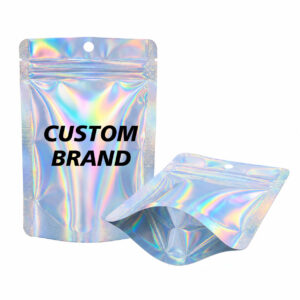
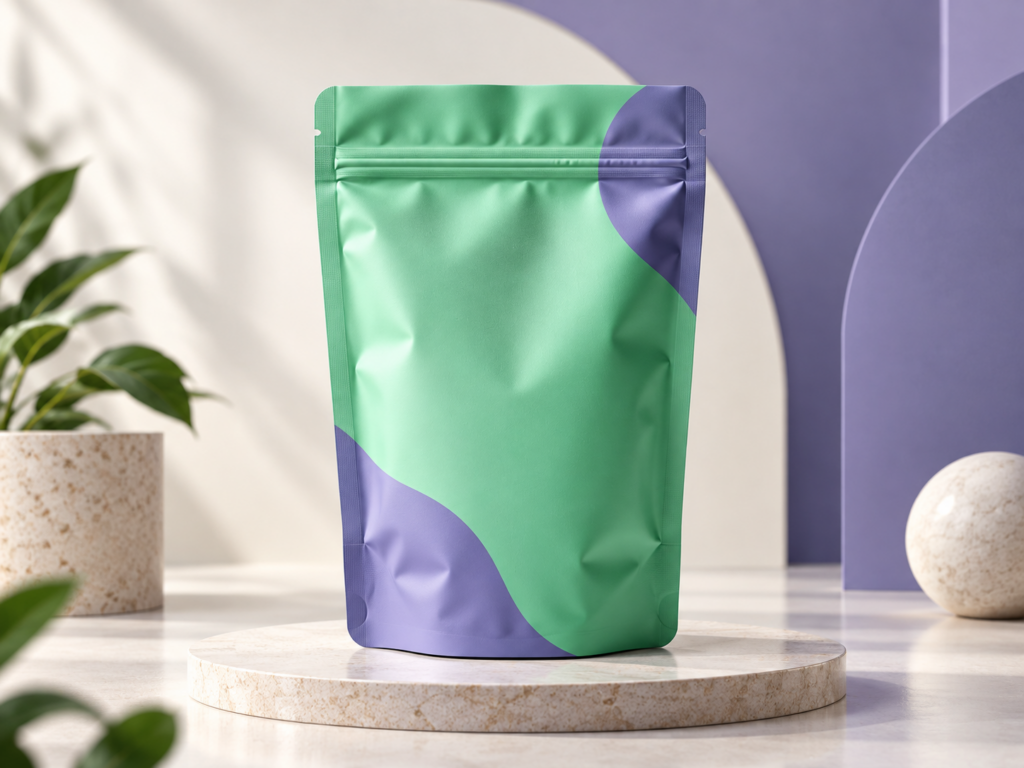
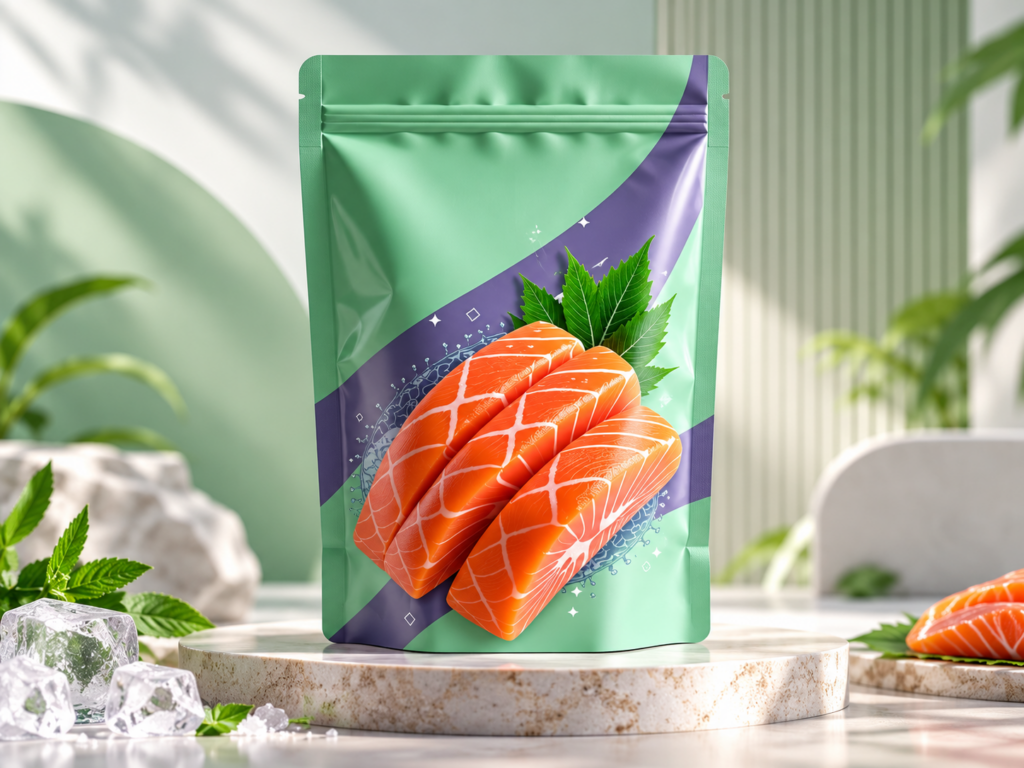
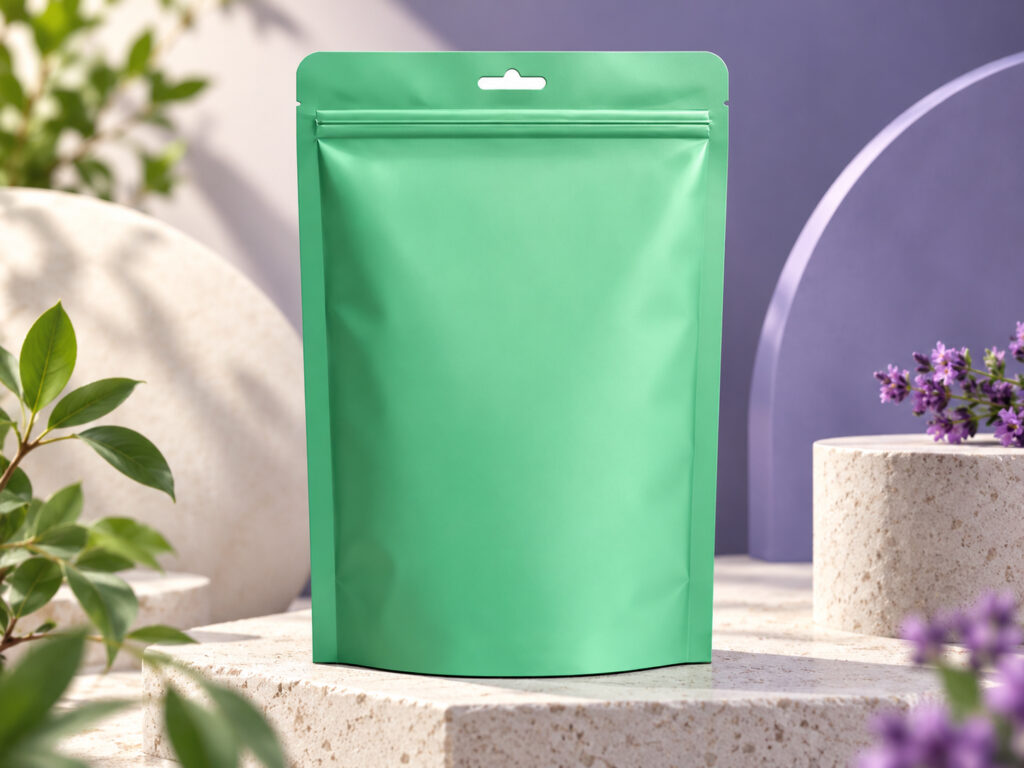
Stand-up pouchesSnacks, powders, and retail products requiring upright presentation
Flat pouches and sachetsSingle-use portions, samples, and compact products
Three-side-seal bagsSmall products and controlled-portion packaging
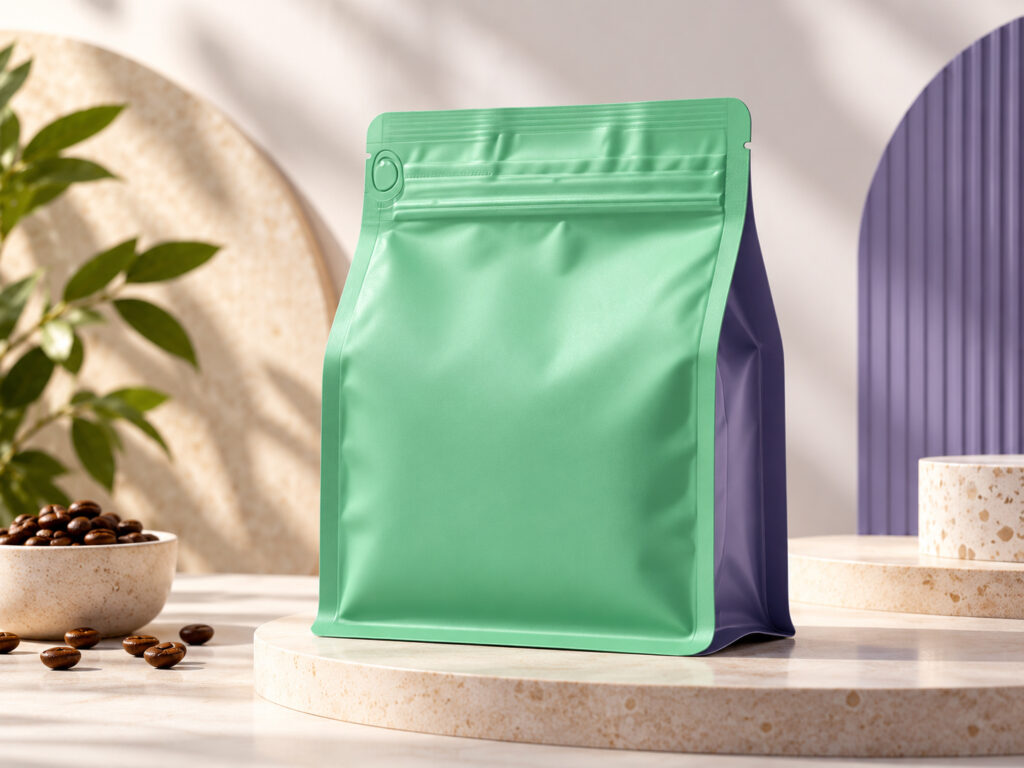
Gusseted bagsBulkier contents needing additional capacity
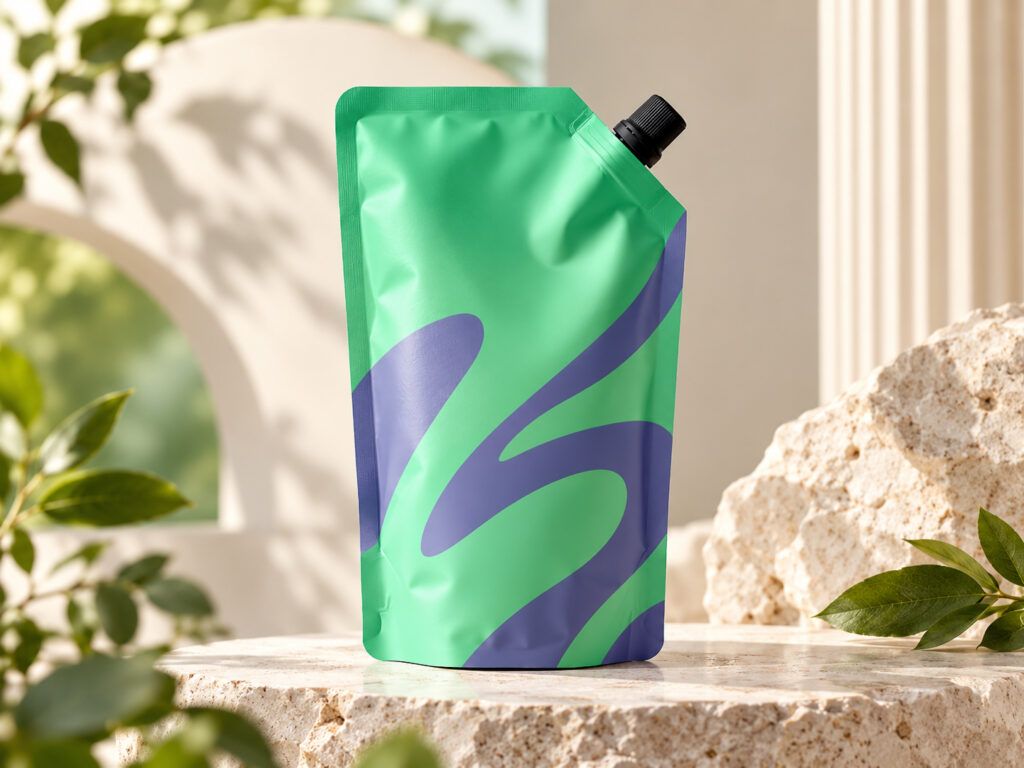
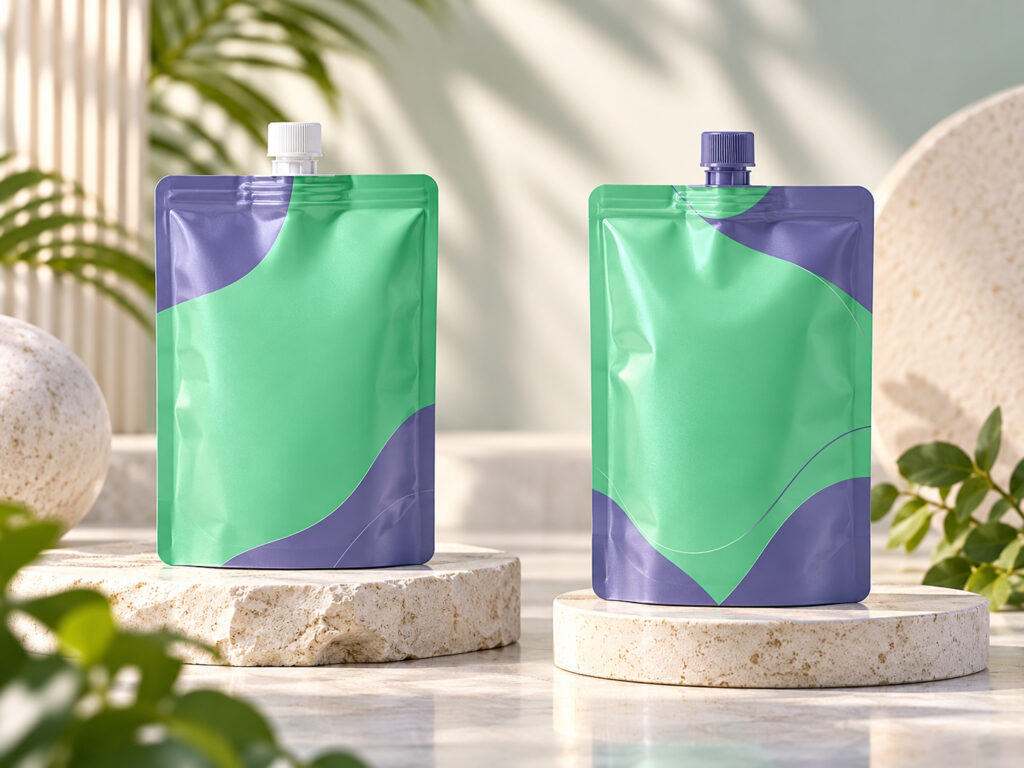
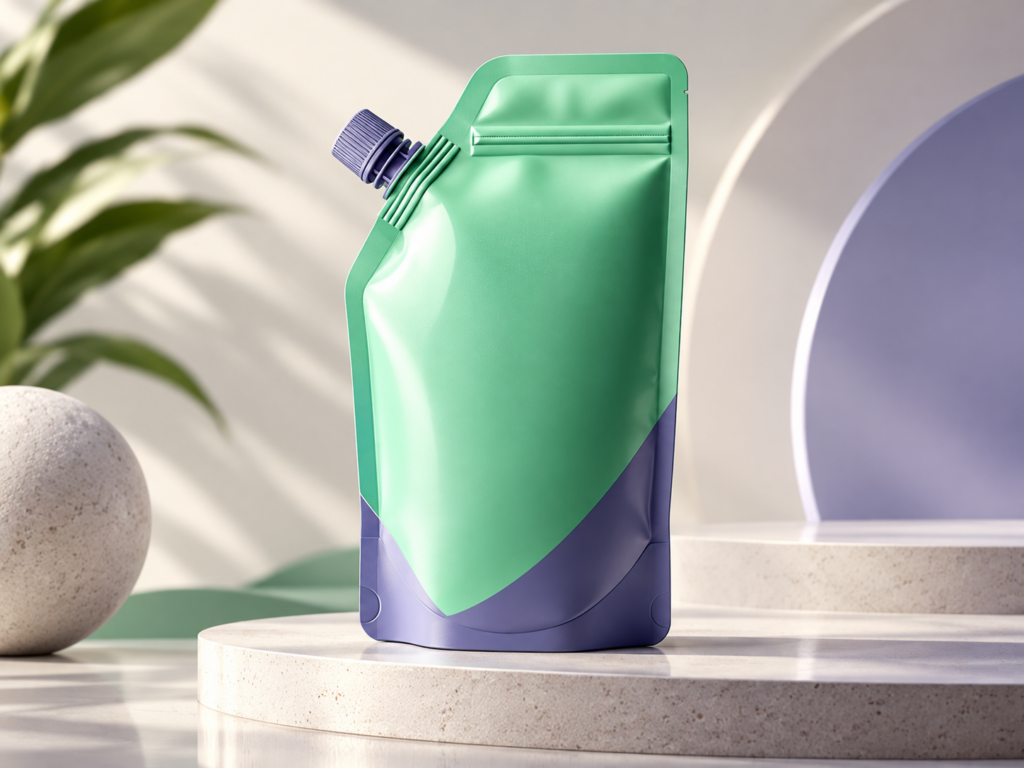
Spouted pouchesLiquids and controlled dispensing
Rollstock filmsAutomated form-fill-seal packaging lines
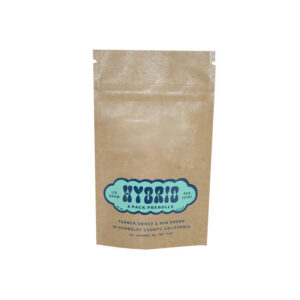
Custom printed bagsBranded retail and consumer packaging
The best format depends on fill volume, contents, dispensing requirements, and available packaging equipment. A stand-up pouch may improve shelf presentation, while rollstock can suit automated production.
Buyers should consider how the package will be filled, sealed, transported, displayed, and opened before selecting a structure.

Explore Our Flexible Packaging Products

rowse flexible packaging formats to compare pouch structures, material options, printing possibilities, and customization requirements for your Bproducts.

Flexible Packaging Guides & Resources

Explore related resources covering flexible packaging design, material selection, printing, sustainability, and technical considerations to support informed packaging decisions.
Flexible Packaging
Flexible Packaging
Flexible Packaging
Flexible Packaging

How Do Flexible Packaging Materials Affect Product Protection?

Choosing flexible packaging materials starts with understanding what the product needs protection from. Moisture, oxygen, light, punctures, and chemical interaction can influence material selection. The complete packaging structure, including its sealant layer and closure design, determines whether it performs reliably under actual storage and distribution conditions.
Common packaging material options include:
– Polyethylene (PE): Frequently used in sealing layers and flexible film structures.
– Multi-layer laminate: Combines different layers to address specific mechanical or barrier requirements.
– Aluminum foil: Provides strong light and gas barrier properties when incorporated into an appropriate structure.
– Coated paper: May support certain applications when its coating and barrier performance are suitable.
– Specialized films: Can be developed around product protection, flexibility, and processing requirements.
A packaging structure suitable for dry snacks may not work for sauces, oils, or moisture-sensitive products.
For food packaging, material suitability must be verified against the intended contact conditions and applicable regulations. The FDA’s food-contact material guidance explains why individual material components and conditions of use matter.
Material recommendation: Identify your product’s sensitivity, required shelf life, and filling conditions before choosing a film structure.


Custom Printed Flexible Packaging: Design, Finishes & Branding

Custom printed flexible packaging combines functional product protection with recognizable branding. Package dimensions, artwork placement, print coverage, surface finish, and closure design all influence how the finished product looks and performs.
Key customization considerations include:
– Size and shape: Adjust dimensions to fit product volume and retail presentation.
– Artwork and color: Define brand graphics, print areas, and color-matching requirements.
– Surface finish: Consider matte or gloss effects according to material and printing compatibility.
– Product visibility: Evaluate transparent windows when protection requirements permit.
– Opening features: Specify tear notches, resealable zippers, or dispensing features where technically suitable.
The chosen substrate influences print reproduction and surface appearance. Film movement, seal areas, and pouch construction must also be accounted for during artwork preparation.
Before production, confirm artwork files, printing methods, material compatibility, and physical samples where necessary.
A well-defined specification makes it easier to maintain consistent branding across different flexible packaging products.

Flexible Packaging
Flexible Packaging
Flexible Packaging
Flexible Packaging

Flexible Packaging Specifications That Matter Before Production

Accurate specifications help manufacturers evaluate feasibility, select appropriate materials, and provide meaningful quotations. For custom flexible packaging, dimensions alone rarely provide enough information.

SpecificationWhat Buyers Should Define
Packaging formatPouch, bag, sachet, or film
DimensionsWidth, height, gusset, and required tolerances
Material structureSubstrate, layers, and barrier requirements
Film thicknessApplication-specific thickness or gauge
Closure and sealingHeat seal, zipper, spout, or other features
PrintingArtwork, coverage, colors, and finish
Filling compatibilityProduct properties and filling equipment
Performance testingSeal strength, barrier, puncture, and handling requirements

For rollstock used with vertical form-fill-seal (VFFS) machines, film width, sealing behavior, winding orientation, and machine compatibility deserve particular attention.
Production approval should address dimensional accuracy, print positioning, seal integrity, and relevant handling performance.
Where material extrusion methods or blown films are involved, the resulting film properties should be evaluated against the intended application rather than assuming that a particular manufacturing process guarantees performance.
Before ordering: Provide a specification sheet and request confirmation of the testing and acceptance criteria appropriate for your package.

Which Flexible Packaging Solution Fits Your Application?

Different products create different packaging demands. Selecting an appropriate flexible packaging solution means matching film structure, package format, and closure features to the product’s physical characteristics and distribution conditions.
Flexible Packaging
Flexible Packaging

Dry Food and Snacks

Stand-up bags and barrier films may help protect snacks, powders, grains, and dry ingredients from moisture exposure. Confirm barrier needs and sealing performance.
Flexible Packaging
Flexible Packaging

Frozen Food

Frozen food packaging requires attention to cold-temperature flexibility, puncture resistance, and seal integrity during storage and handling.
Flexible Packaging
Flexible Packaging

Sauces and Liquid Products

Liquid packaging may require specialized sealing structures, controlled dispensing, and testing for leakage or product compatibility.
Flexible Packaging
Flexible Packaging

Pet Food Packaging

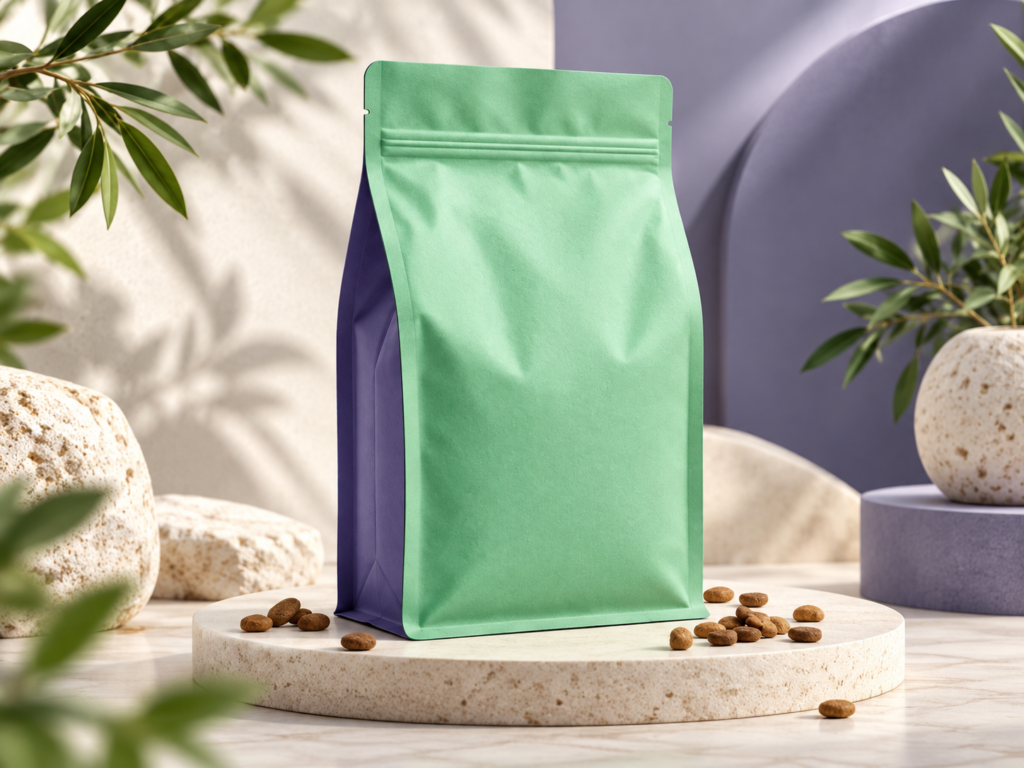
Larger bags may need additional mechanical strength, durable seals, and suitable barriers against moisture and oxygen.
Flexible Packaging
Flexible Packaging

Home and Personal Care

Personal care products and household formulations require attention to ingredient compatibility, sealing, and dispensing convenience.
Home and Personal Care
Personal care products and household formulations require attention to ingredient compatibility, sealing, and dispensing convenience.
Selected industrial applications may also benefit from protective flexible packaging, provided the materials meet their handling and protection requirements.
Flexible Packaging
Flexible Packaging

Flexible Packaging vs. Rigid Packaging: Which Should Buyers Choose?

Flexible packaging is often suitable when lightweight construction, efficient storage, and adaptable filling formats are priorities. Rigid packaging may be preferable when structural support, stacking performance, product immobilization, or a particular presentation style is essential. Neither approach is universally better.
Buying factorFlexible packagingRigid packaging
StructureAdaptable films and bagsFixed-shape boxes or containers
StorageOften compact before fillingGenerally maintains its shape
Product protectionDepends on film and sealsDepends on walls and construction
PresentationPrinted surfaces and varied shapesDefined geometry and structural support
Cost driversFilms, printing, filling, convertingMaterials, forming, assembly, shipping
End-of-lifeDepends on film composition and collectionDepends on materials and local recovery systems
For lightweight products, flexible packages can offer operational advantages. Fragile or heavy products may need a rigid outer structure.
Compare both options against actual product protection, logistics, filling processes, and total delivered costs.

What Should Buyers Know About Sustainable Flexible Packaging?

Sustainable packaging decisions require more than selecting the thinnest film or replacing plastic with paper. Product protection, material composition, manufacturing requirements, and waste-management infrastructure all affect environmental outcomes.

Mono-material polyethylene or polypropylene structures may offer recycling-design advantages when their performance is appropriate. However, specialized multi-material laminates can still be necessary for demanding barrier applications.

Important sourcing considerations include material reduction, verified recycled content, barrier coatings, and whether local systems can actually collect and process the finished package.

The CEFLEX Designing for a Circular Economy guidelines recommend considering the entire structure, including adhesives, inks, closures, and barrier layers.

Contact

How to Evaluate a Flexible Packaging Manufacturer Before Ordering

Choosing a flexible packaging manufacturer involves more than comparing unit prices. A reliable purchasing decision requires confirmation that the proposed materials, conversion processes, printing options, and quality controls match your product and production requirements.
Start with manufacturing compatibility. Ask whether the supplier can support the required packaging format, material structure, film properties, and printing specifications. If your operation uses automated filling equipment, provide machine information and discuss trial requirements.
Review the quality process. Establish how samples will be approved, which dimensions and seals need verification, and what inspection criteria apply to production orders.
Clarify commercial conditions. Request written confirmation of minimum order quantity, quotation basis, sample arrangements, lead times, delivery terms, and artwork requirements.